

SANDSTONE
Sandstone Outdoor PAVERS, TILES, FLAGSTONES, COPING & TREADS
Sandstone is a premium quality natural stone. It is incredibly versatile and can be used for a variety of purposes, both indoor and outdoors. This includes floors, walls, paving, coping, cladding pillars and landscaping features. there is nothing more natural than sandstone.
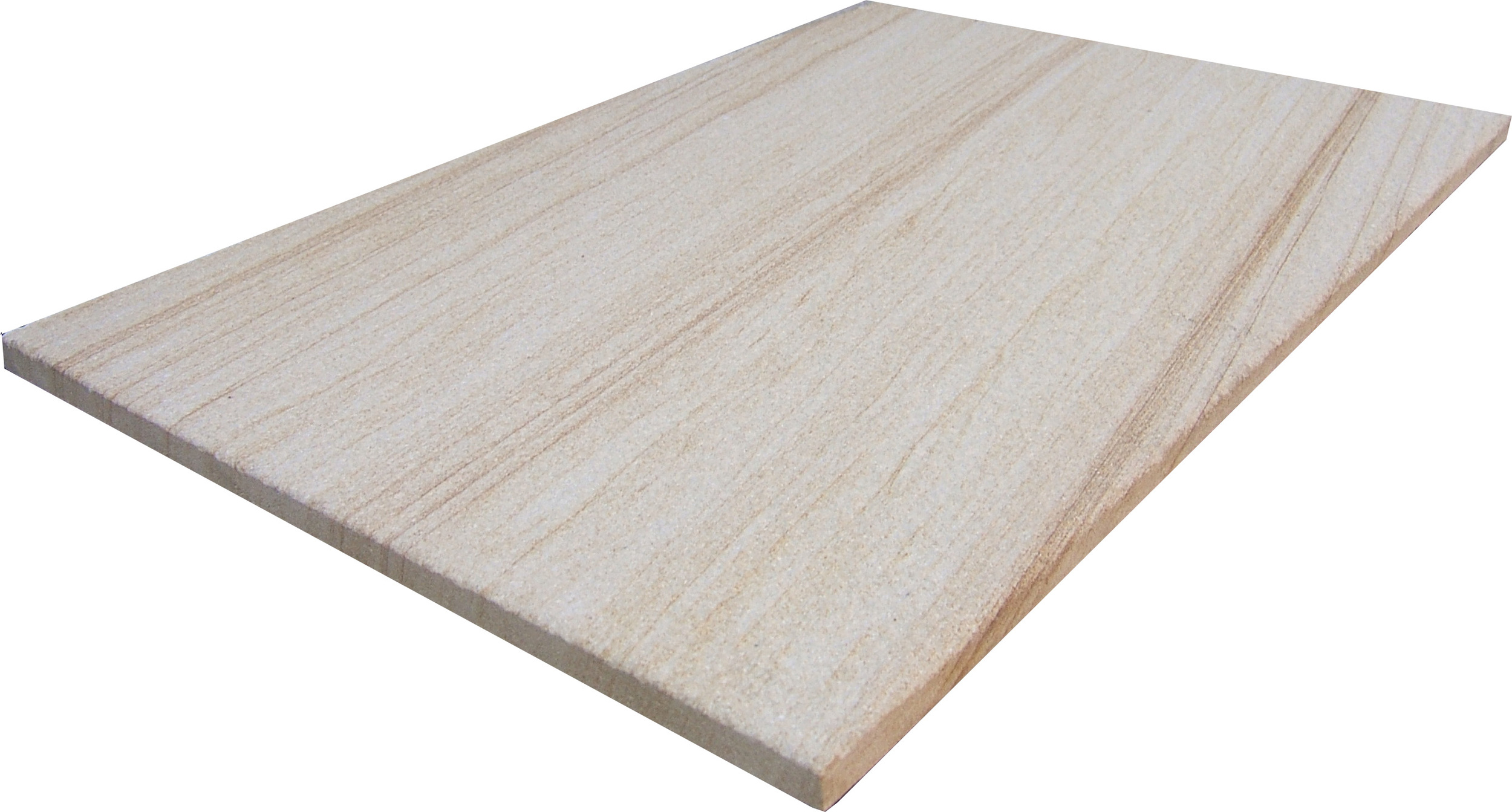
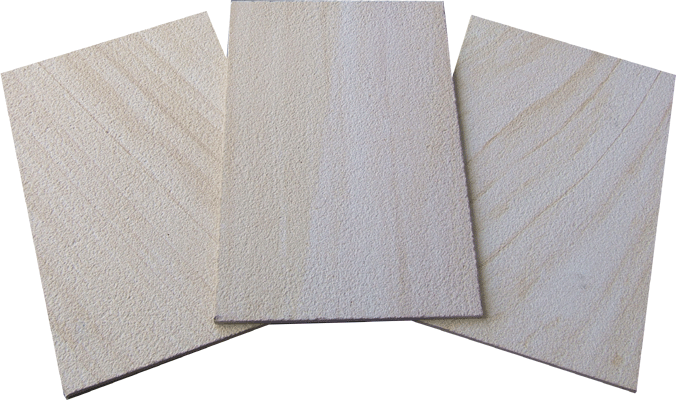
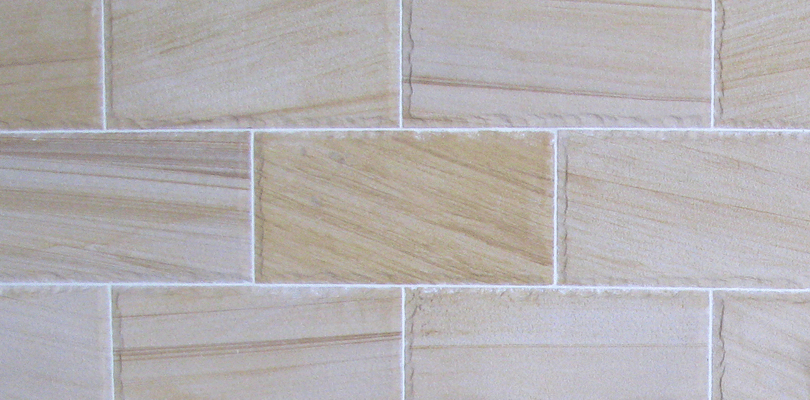
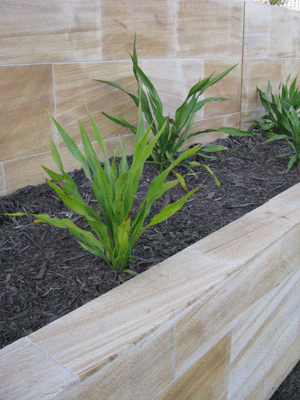
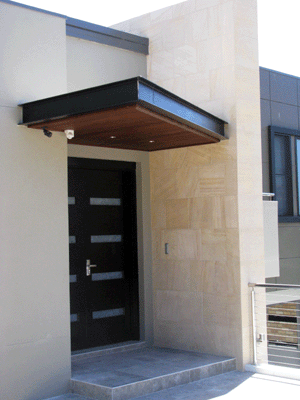
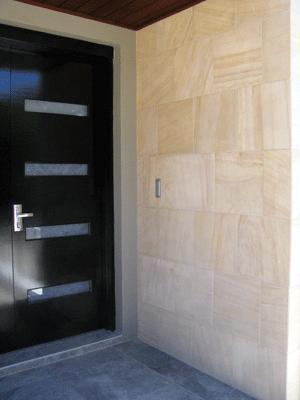
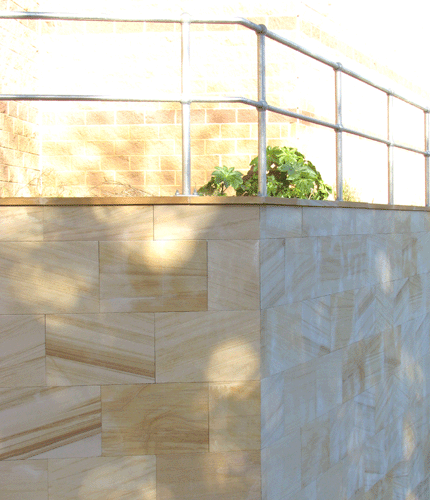
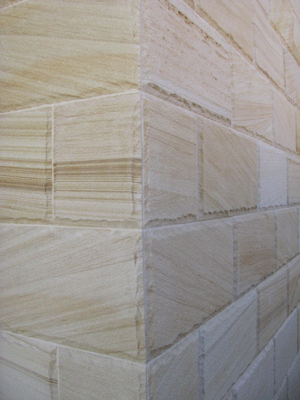
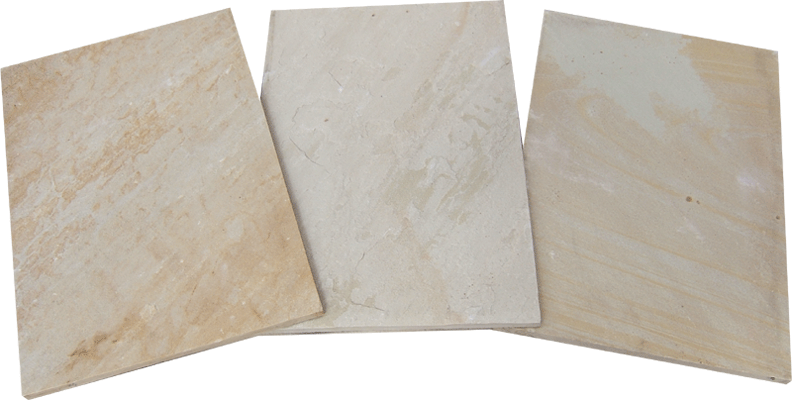
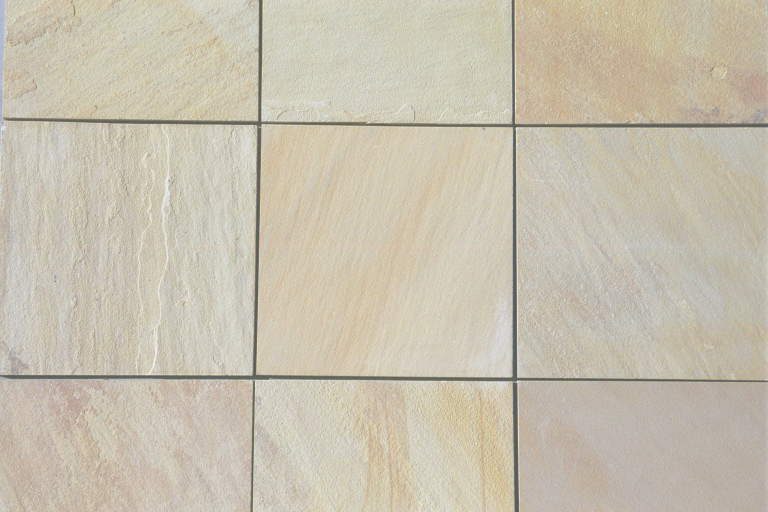
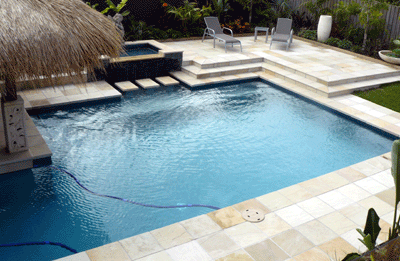
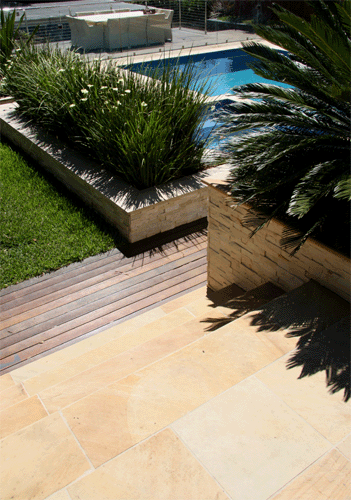
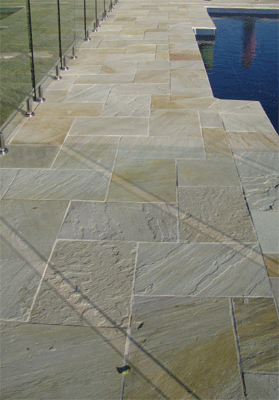
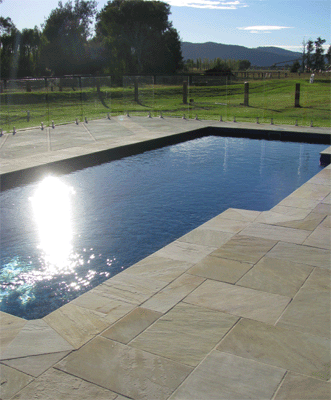
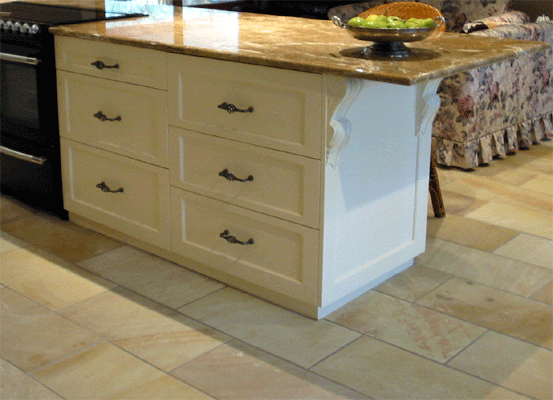
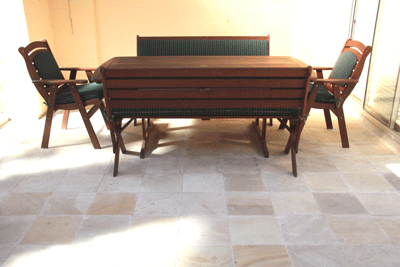
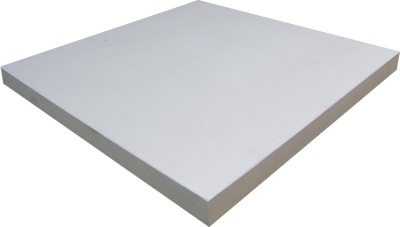
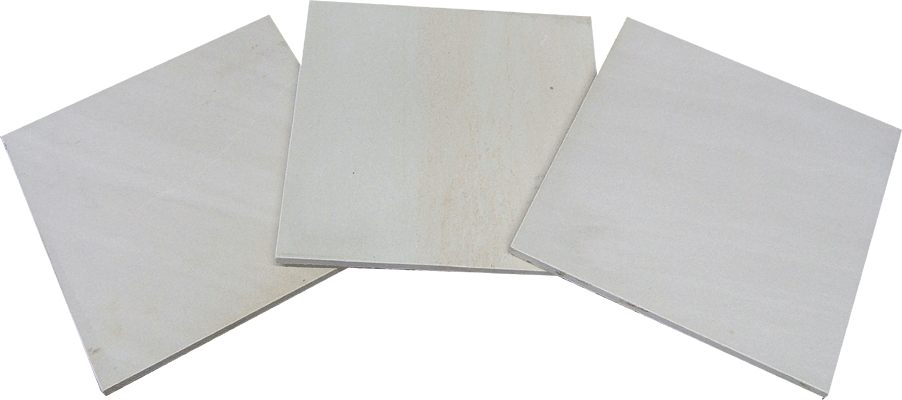
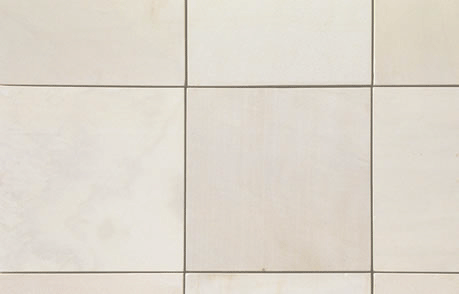
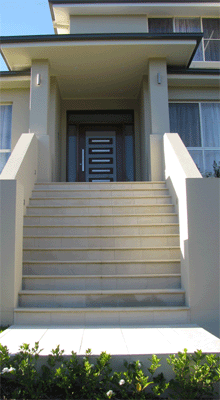
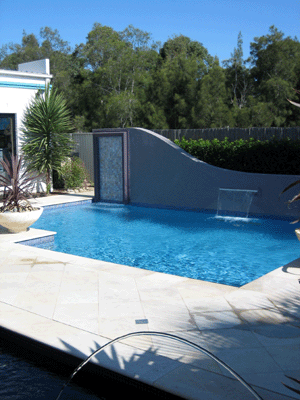
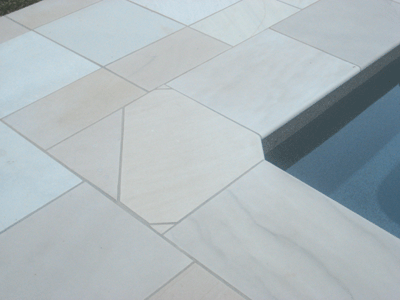
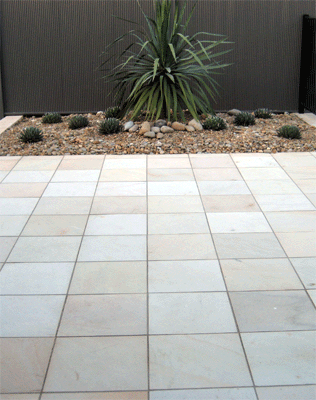
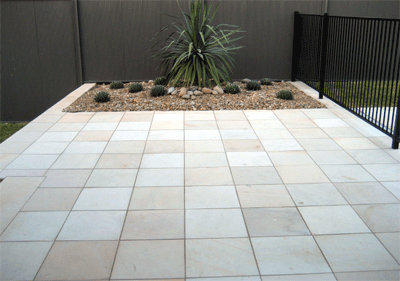
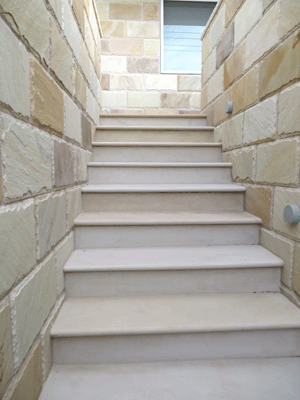
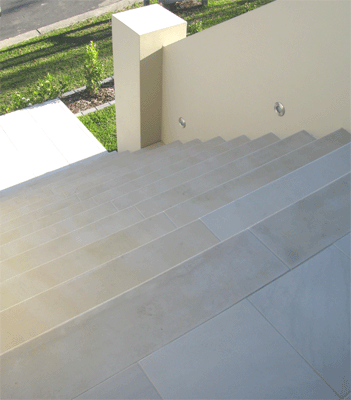
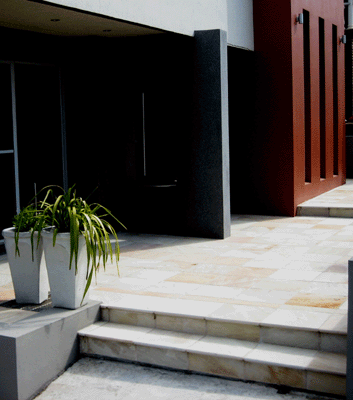
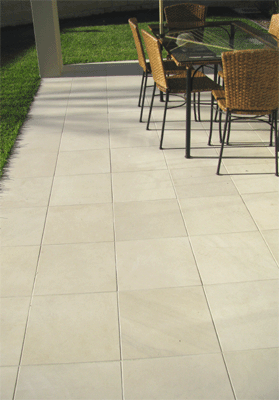
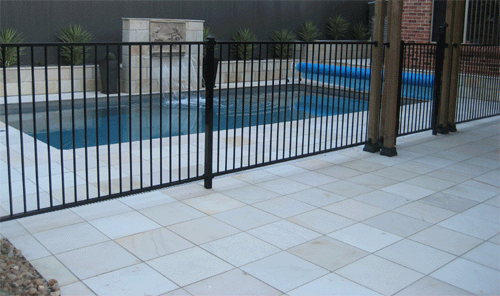
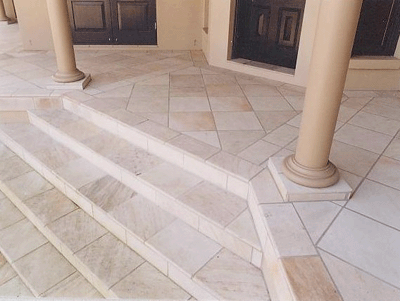
Sandstone blocks carved out of the ground have been there for millions of years. The beauty of sandstone pavers is timeless. The stone is completely natural, unprocessed and untreated with any spurious chemical. Bellstone offers three Sandstone options: Willow (honed surface), Willow (natural split) and Coogee Sandstone. Bellstone's range of sandstones come in a range of different colours to suit your project and design needs. Don't hesitate to get in touch with us if you're having trouble deciding which sandstone best suits your project needs. Our friendly and experienced team will be more than happy to discuss your project requirements.
THE DIFFERENCE: TILES & PAVERS
Most people associate pavers with outdoor use. Pavers are regarded as products to be used over soft bases (substrates) such as rammed earth or roadbase sprinkled with sand. On these foundations the stone used needs to be strong to ensure against movement that might cause cracking. As a result, the thickness of the stone needs to be 30mm or more, depending on the traffic load. These days, outside areas are often concreted providing an incredibly strong and very stable substrate. As a result, a much thinner "tile" of 10 - 15mm might be quite adequate (depending on the flexural strength of the stone and the traffic load expected). Apart from the thickness of the stone and the cost (tiles are cheaper!) there is no difference between a tile and a paver!
WHAT OUR CUSTOMERS ARE SAYING
"Our pool and landscaping is now nearly complete and we couldn't be happier. The sandstone tiles and cladding that we purchased from you look great.Thank you so much for being so helpful and patient.The time that you spent with us, helping us to chose the most suitable tiles and cladding for us, the expert advice and honest suggestions were greatly appreciated. Thank you also for going out of your way to arrange delivery, when and where we required the tiles - even though it must have been a nuisance for you". Naldo Pacchini, Wetherill Park 29/12/09
SUITABLE AROUND POOLS?
Sandstone pavers have excellent slip resistance features that make them a safe surface for kids around a pool. We know that this is often a concern of architects working on residential projects. The slip resistance test results on Bellstone sandstone pavers reveal that the product has excellent grip characteristics and provides an extremely safe surface to walk on in outdoor arenas and even when wet. Surface finishes include split face, honed and sand blasted. Under-surfaces are either natural split (variable thickness) or calibrated to achieve uniformity to a nominal thickness. Project specific strength tests (flexural, compression & modulus of rupture) conducted for veneer and cladding projects, abrasion tests for high traffic concourses & piazzas and salt tolerance tests for swimming pool aprons can be conducted to ensure compliance with ASA standards.

WHAT WE LOVE ABOUT SANDSTONE
- Independently tested for density, water absorption, slip resistance and resistance to salt attack.
- Tough & Durable
- Non-combustible, therefore fire resistant.
- High thermal conductivity so conducts heat quite quickly.
- Performs well around traditionally chlorinated pools.
COLOUR FORMATION / VARIATION
Identical twins look the same but usually have very different personalities - sandstone is the same! Sandstone is a generic name for a type of stone but there are huge differences between one sandstone and another that affects performance. Sandstones have one thing in common - they all contain quartzite. Apart from that they are all different!
There are thousands of sandstone quarries in the world and the characteristics of the stone they produce are unique to the quarry. Sandstone tiles and pavers are popular for this very reason because they offer "character". However, its very normal to be concerned about variation in stone colour. We understand these concerns. The photos on this website are chosen to illustrate the full variation possible to avoid nasty surprises.
To allay any fears and avoid possible disappointment, please feel free to call us and make an appointment to visit our warehouse - we will happily unpack some crates of stone so that you can properly assess colour before you specify or make a purchase.