Travertine Tiles & Flooring - from Bellstone, Sydney, Australia
The Colloseum - Which Stone?
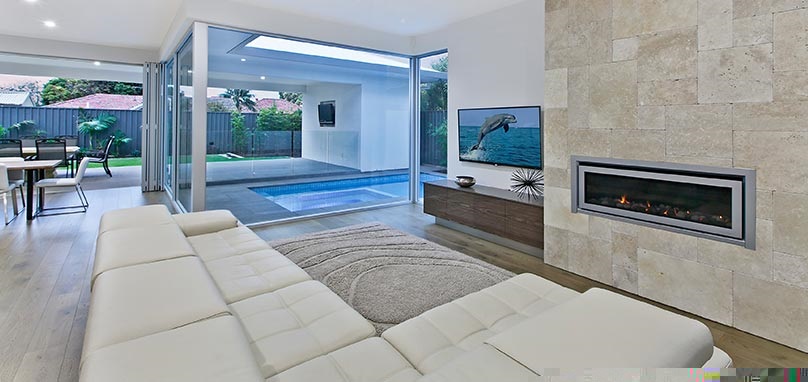
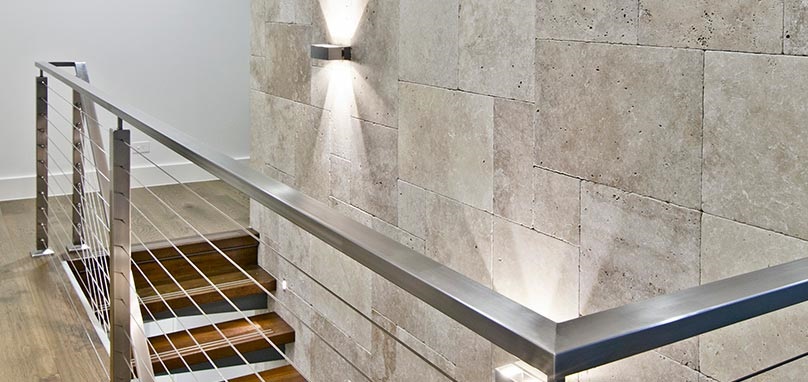
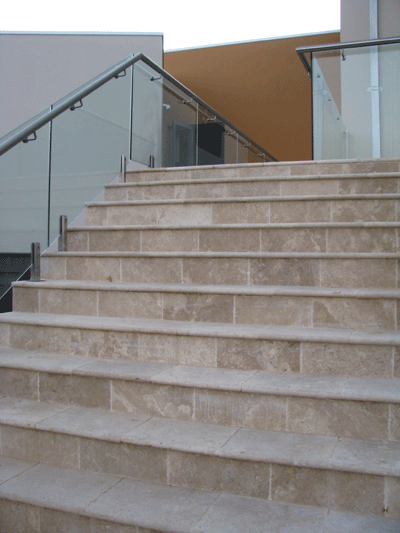
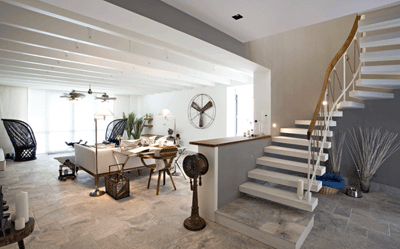
Travertine has been used on paths, stairs, walls and floors in Europe for hundreds of years - it's part of the stone's charm. Travertine has been used on more significant buildings as well. The Colloseum in Rome was constructed with travertine quarried from Tivoli on the outskirts of the city. Tthe Sacre Coeur Basilica in Paris and the Getty Centre in Los Angeles are also made from travertine.
Turkish Travertine - Up There with the Best
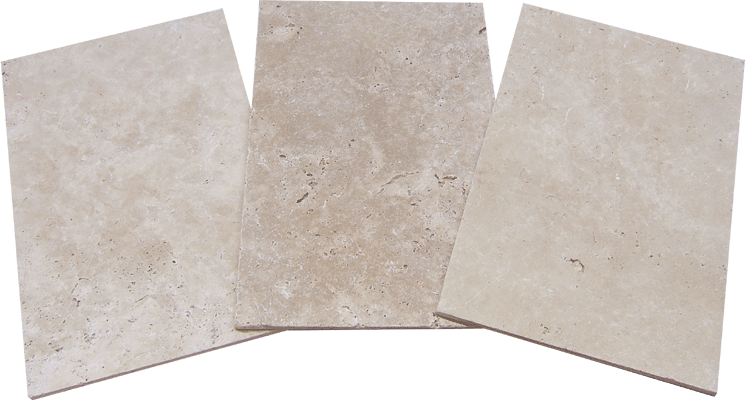
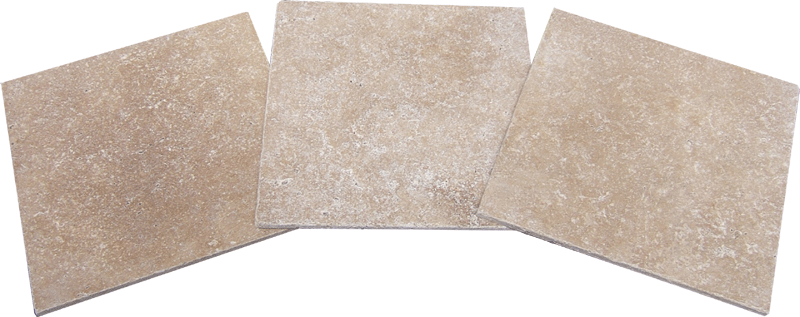
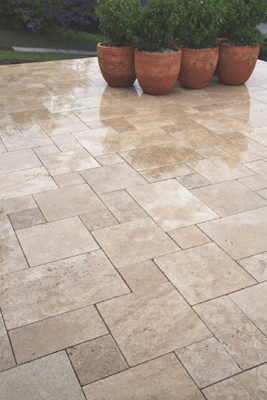
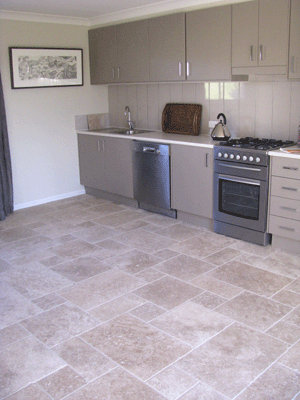
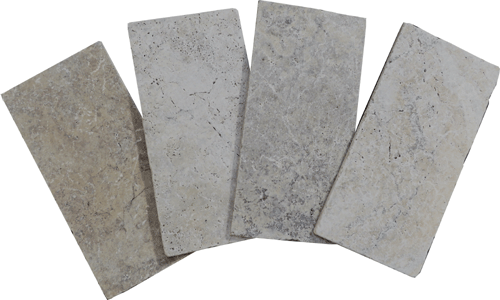
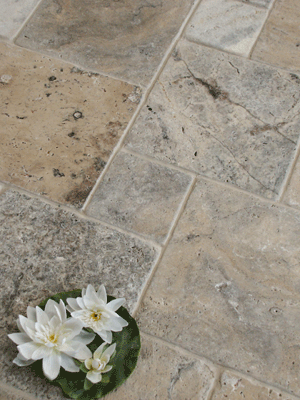
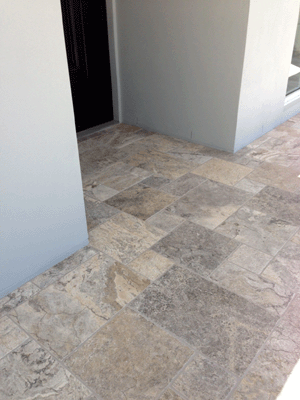
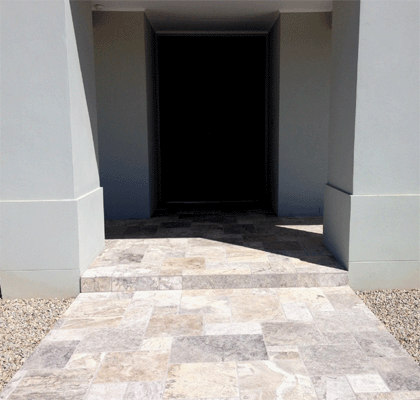
Bellstones ivory travertine is a premium line of extremely dense material sourced from Turkey. The colours are warm and earthy, ranging from beige, bone and light tan through to caramel and chocolate the tiles used in our product photos have been selected carefully to illustrate the full variation in colour.
Matching Lifestyle to Surface Finish Vital
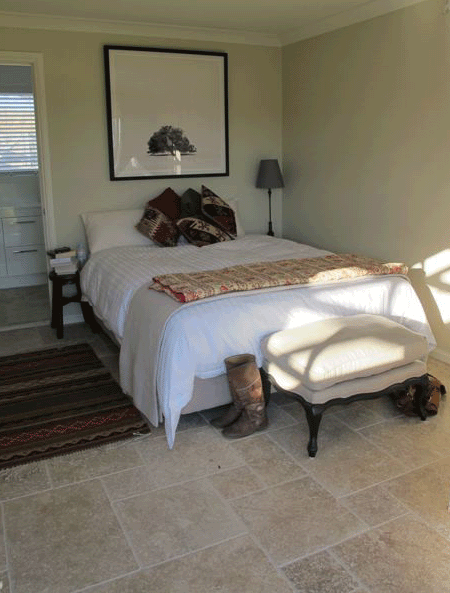
The surface finish is antique which means it has been lightly brushed to achieve a light rustic look - ideal for an Australian outdoor lifestyle.. The pitted holes and troughs in the surface of the stone are characteristic of travertine and they have been deliberately left unfilled.
The edges have also been carefully treated to achieve a fine bevel that is quite distinctive - certainly more glamorous than the more common (and cheaper) cut edge travertine.
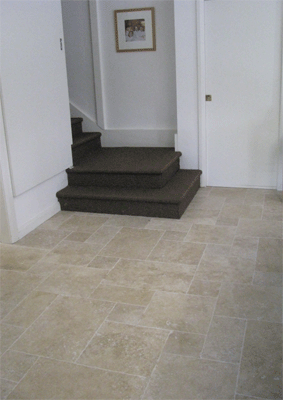
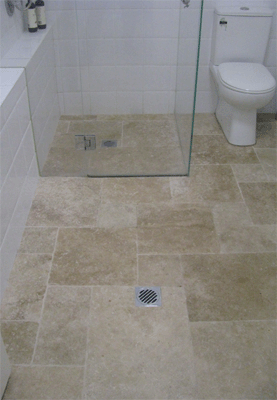
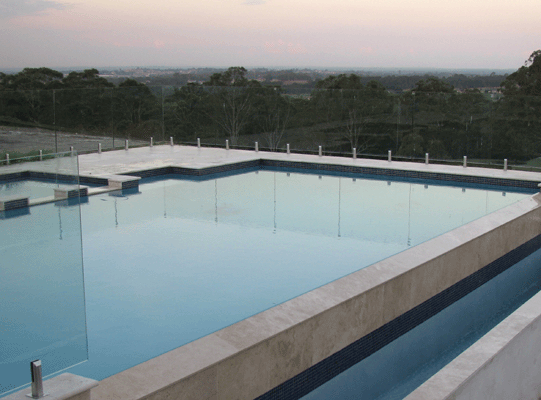
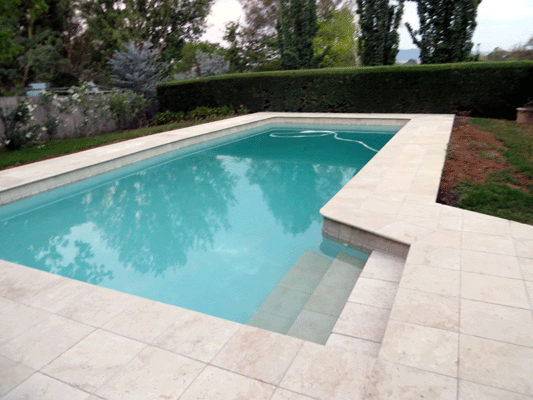
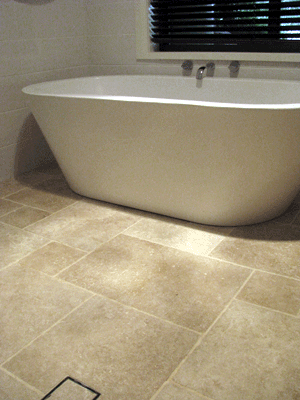
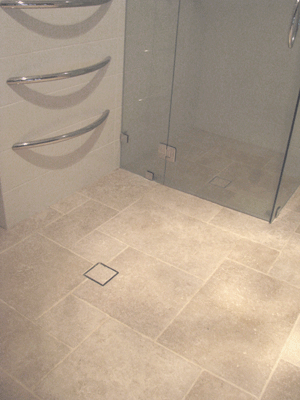
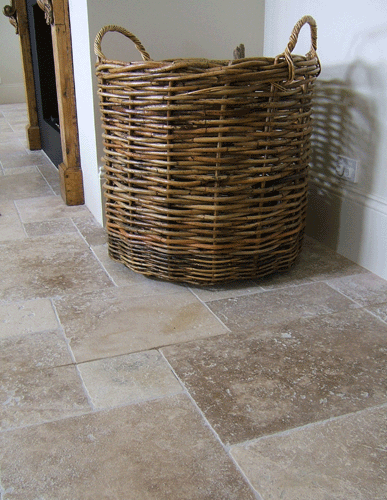
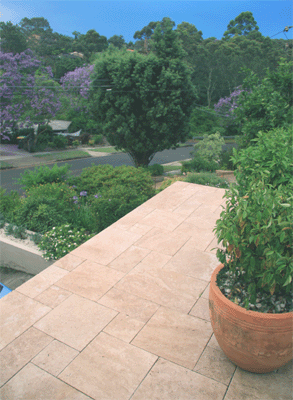
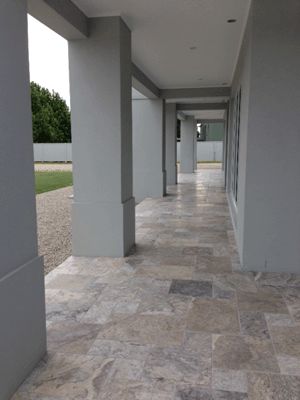
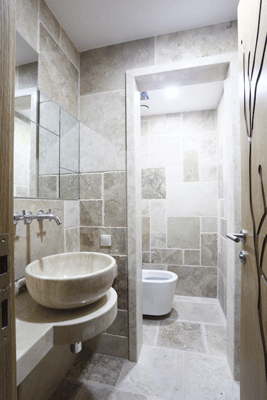
We have opted for large format body tiles (610x406mmm) that is best suited to large open spaces such courtyards, patios and swimming pool surrounds this size is also very handy for making small and more intricate areas look spacious! A four piece french pattern provides an attractive option to provide a surface with more character.
Matching bullnose coping has been custom ground for Bellstone rather than use cheaper mouldings. The bullnose edges expose a number of holes as you would expect; these can be easily filled if required.
Travertine, Wine & Roses
A lot of wine has been spilled on travertine over the years, especially in Italy! The roses add a splash of beautiful colour. However, too much wine can add unexpected patina to the surface if care is not taken! Travertine is a sedimentary rock that is comprised principally of calcite (calcium carbonate) and is derived from deposits built up in mineral springs. Calcite which is also in marble is very susceptible to all kinds of acids, some of which appear quite harmless.
Wine, coke and orange juice are all examples of substances that are acidic which may cause damage if spilled and left lying on the stone surface. Red wine and coffee are examples of household products that may also cause staining. The easiest way to prevent this is to wipe up the spilled liquid straightaway.
Sealants can also be used as an insurance against damage such as staining they will also make moisture penetration into the stone more difficult; sealants will also make the stone easier to clean and maintain.
Travertine - A Holy Stone
Travertine contains holes but don't worry - they are meant to be there! The characteristic holes unique to travertine have been created by trapped gases such as carbon dioxide that have leaked away over time. The holes in travertine distinguish it from other types of stone e.g. marble. Whilst not all travertine contains holes it is certainly a well known and loved characteristic of the stone. In some instances the holes may be be better filled; this can be done at the factory before dispatch or alternatively grouted over after the stone has been laid.
Click here to see indicative test results for travertine.