Best Quality, Best Service,
Every Time...On Time
Request a
Sample
Click Here
Download Brochure
Download Now!Testimonials
"Anna the package has arrived! Thank you so much, we love them. And what lovely packaging"!!
Sophie Williams, Interior Design, Atlis Architecture, Pyrmont
“Stone looks absolutely amazing, nicest packed stone I have ever seen. Very professional, very, very happy. Just want to give you guys a big wrap for what you did. It's always good to work with people who actually care about what they're doing.”
Geoff Dalgliesh, Asgard Homes,
Hunters Hill 26/7/11
"Thank you so much for the beautiful stone. It has transformed our home"
Maeve O'Meara, Mosman
"Thanks to you Dianne, Arthur's work is real craftsmanship and the stone is beautiful"
Lisa Beins, Lindfield
"Hello Anna, thank you so much for the slate samples, they arrived & looked so professional as I handed them on to our client. They are presently making decisions & I will keep you posted on the outcome. Many thanks for your fast & efficient service"
Kim Lyon, Greg Lyon
Constructions 6/9/11
Slate Roof Restoration & Replacement - Heritage Buildings
![]() |
![]() |
![]() |
|
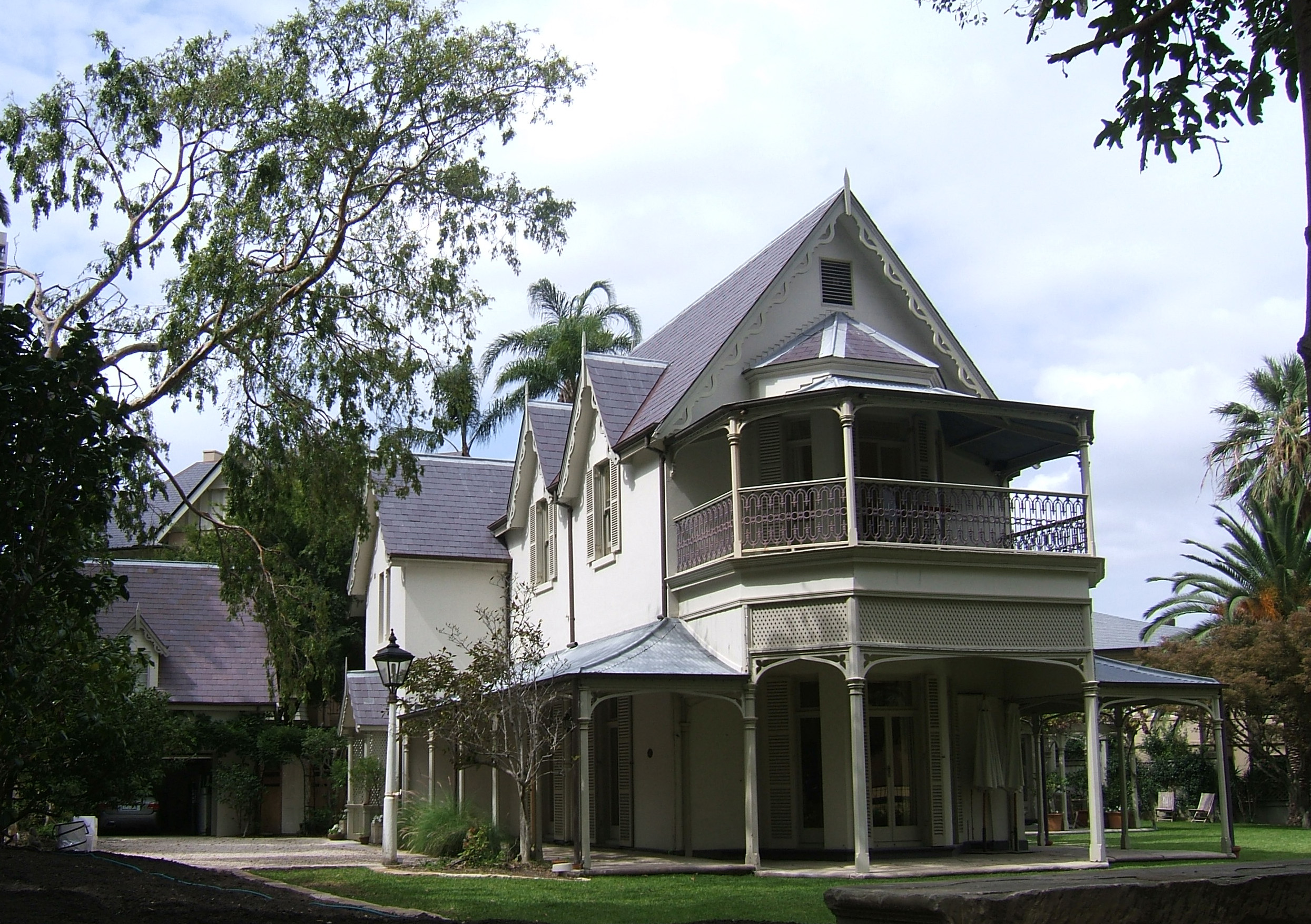
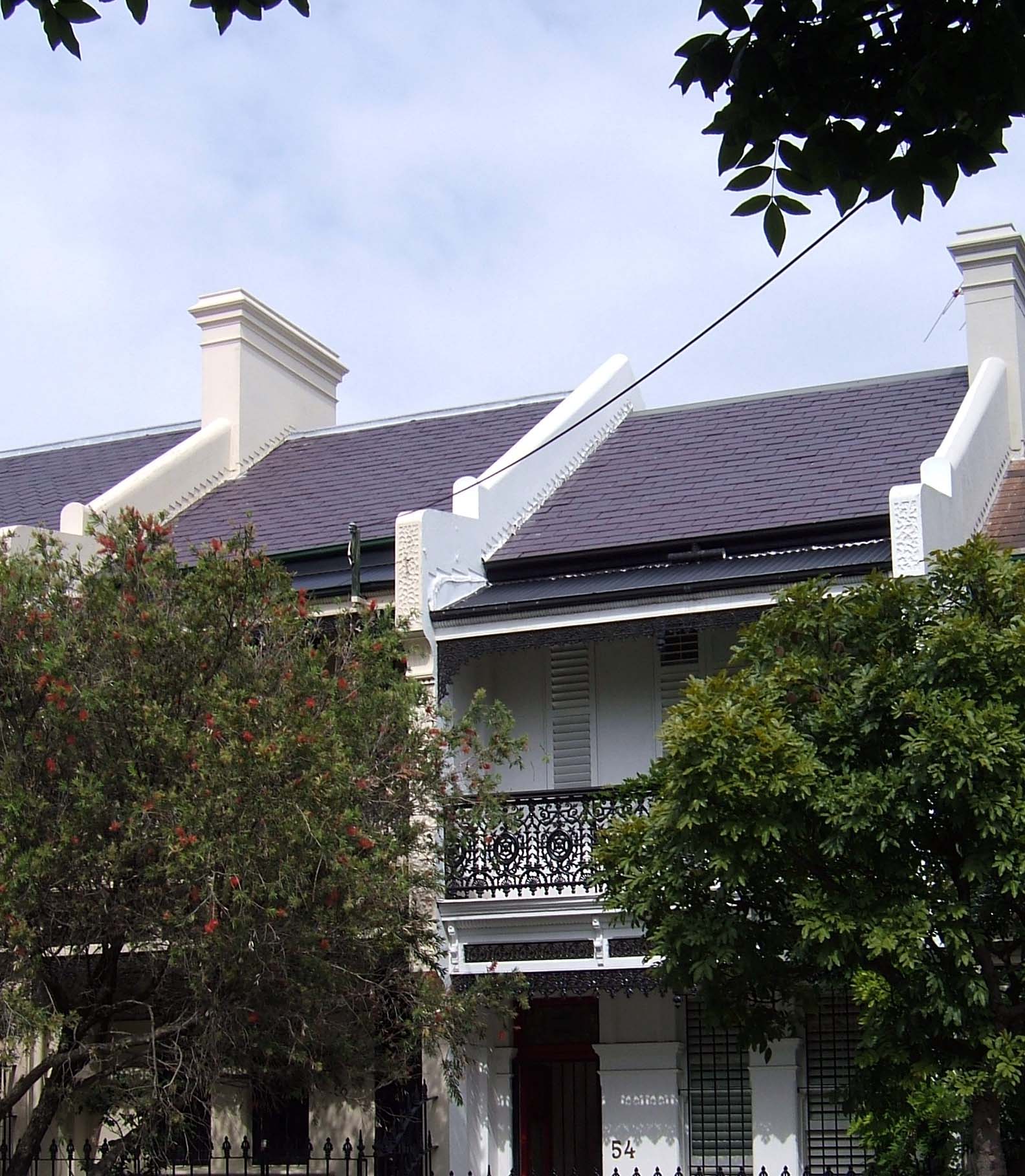
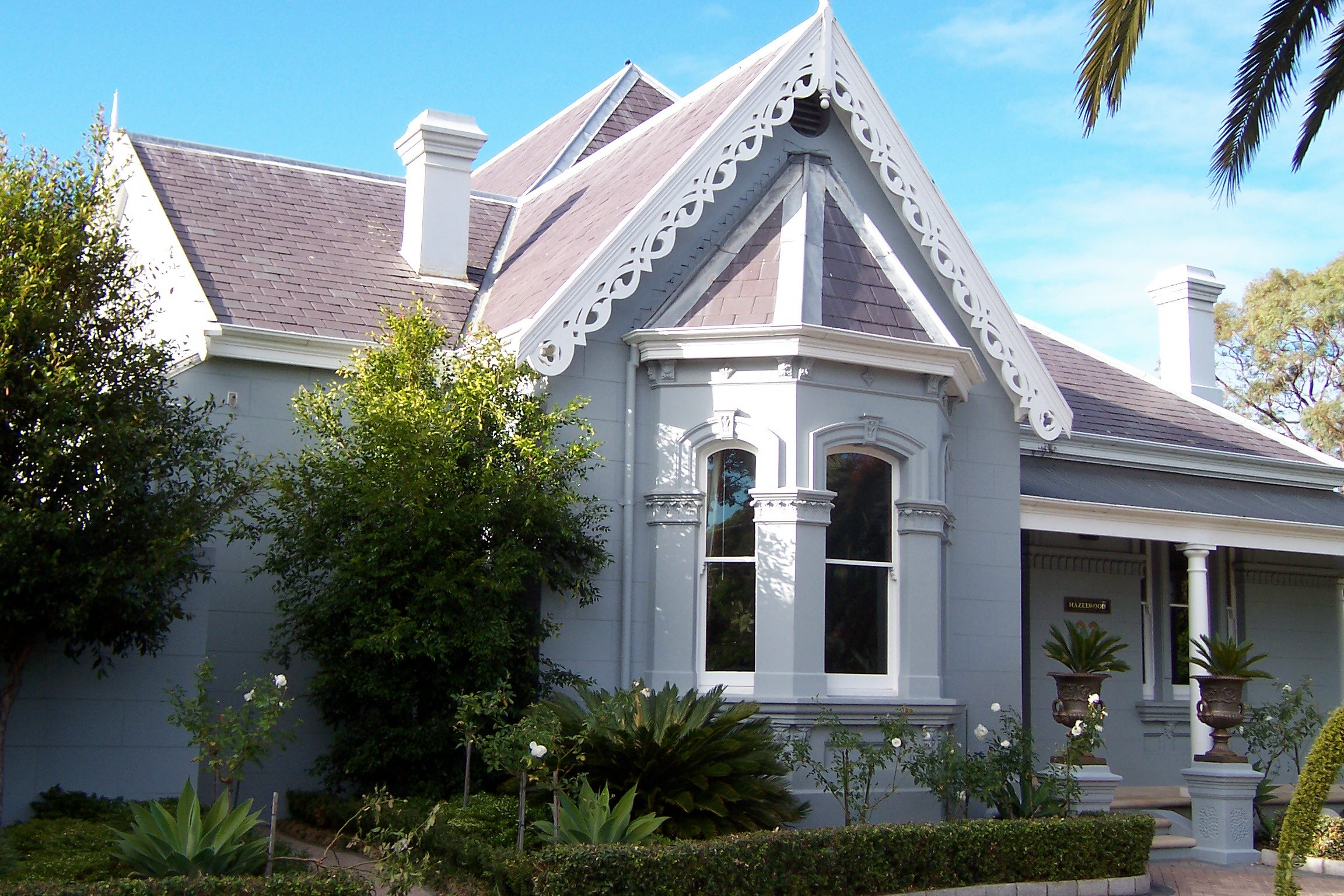
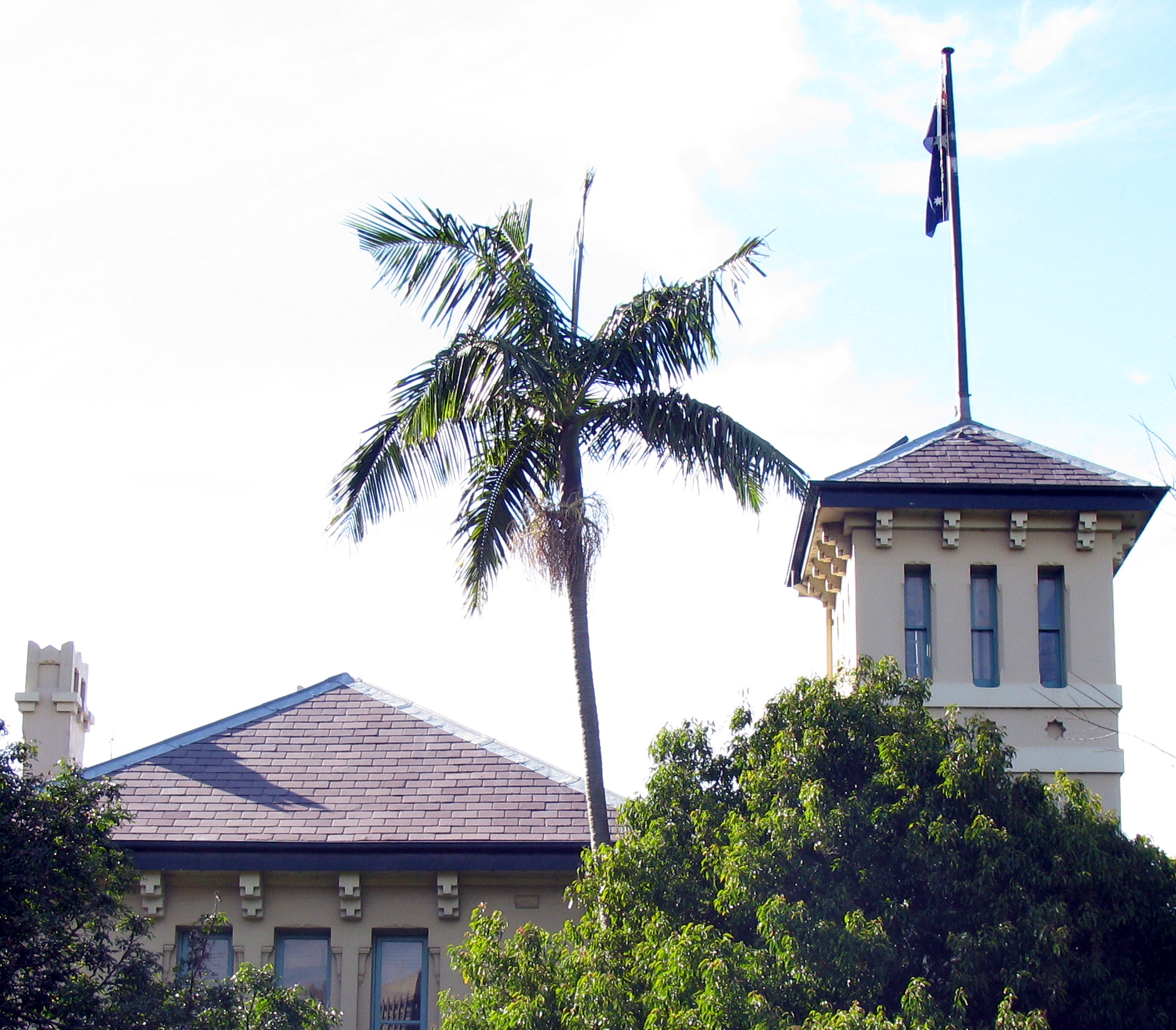
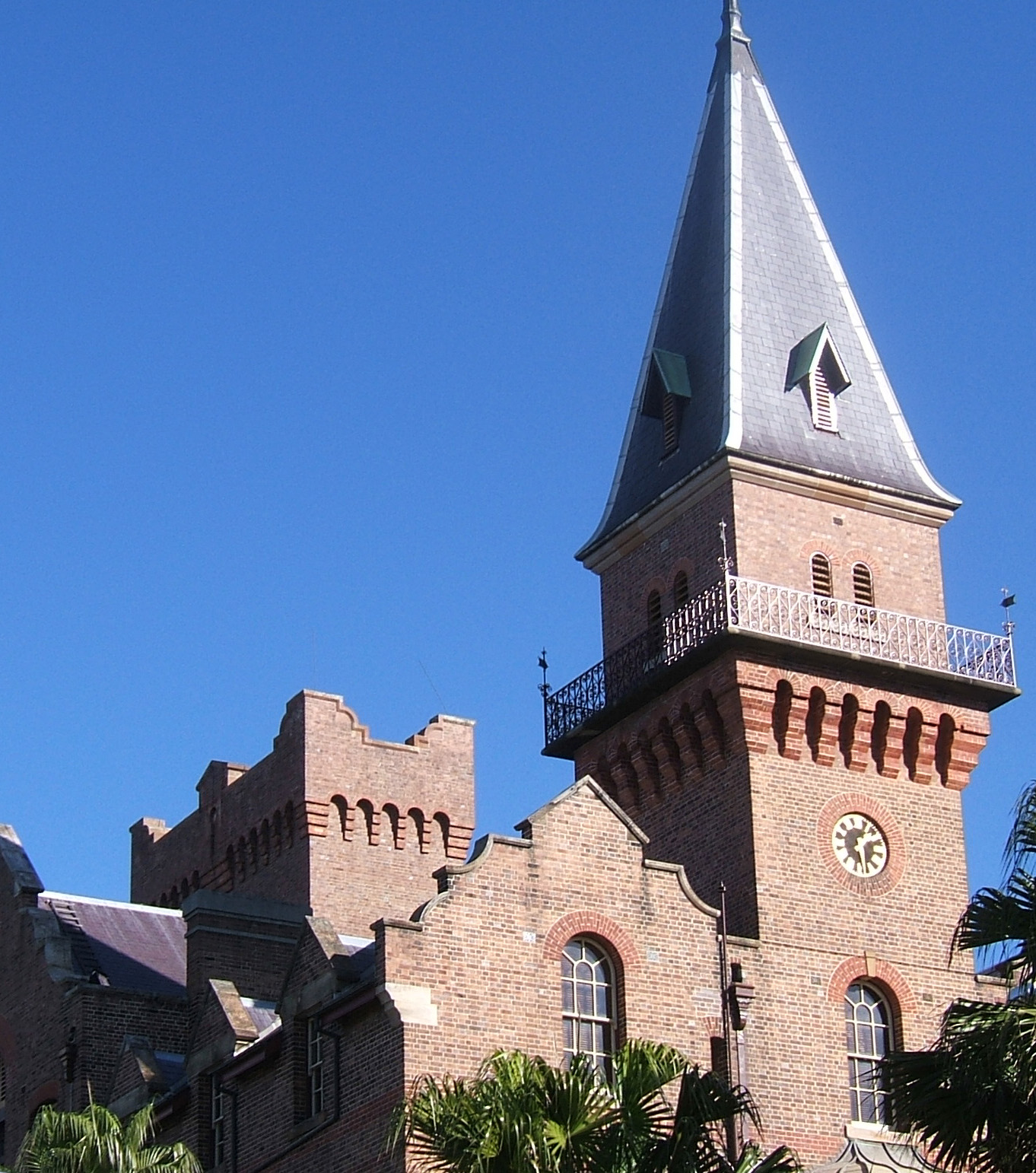
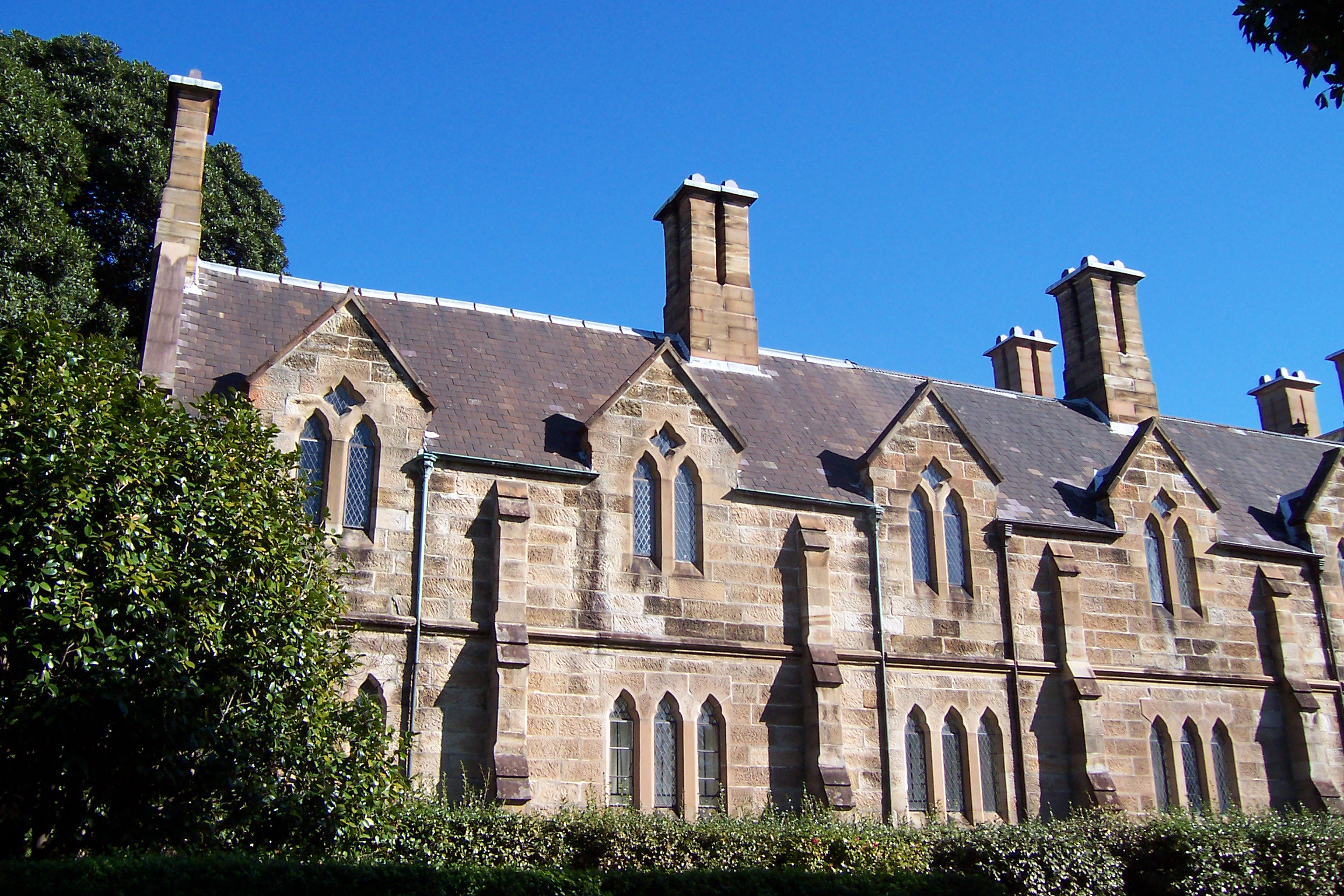
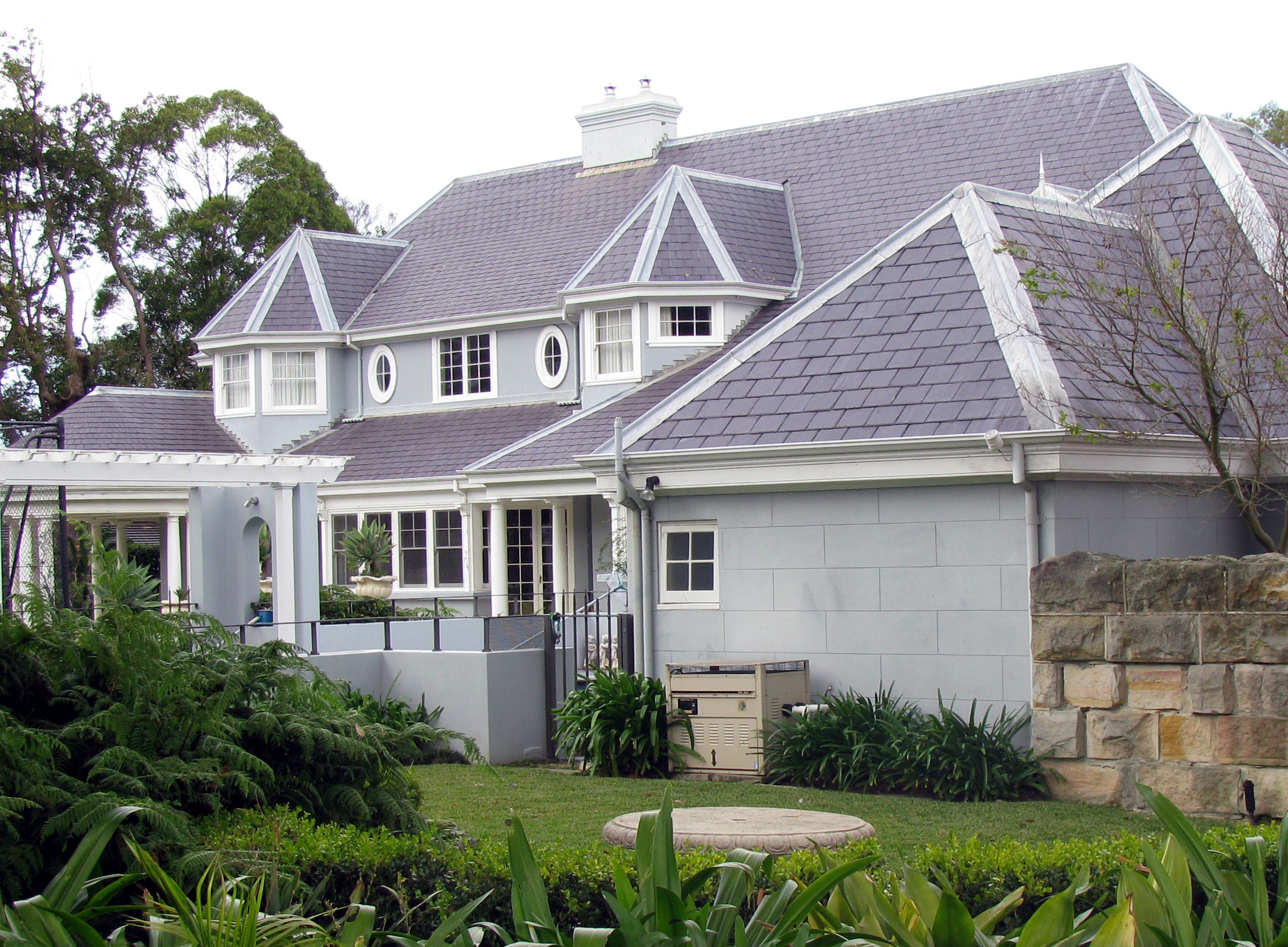
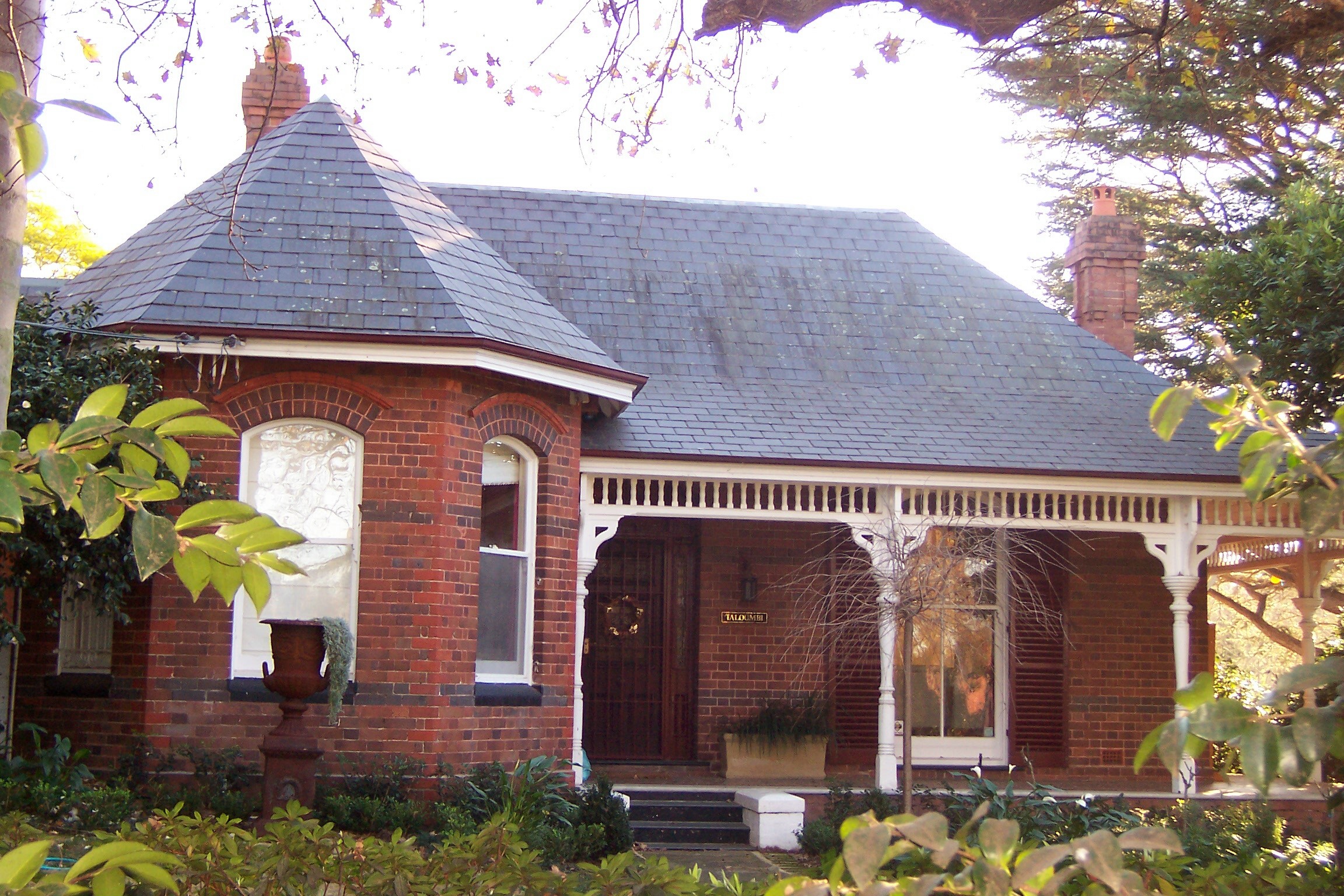
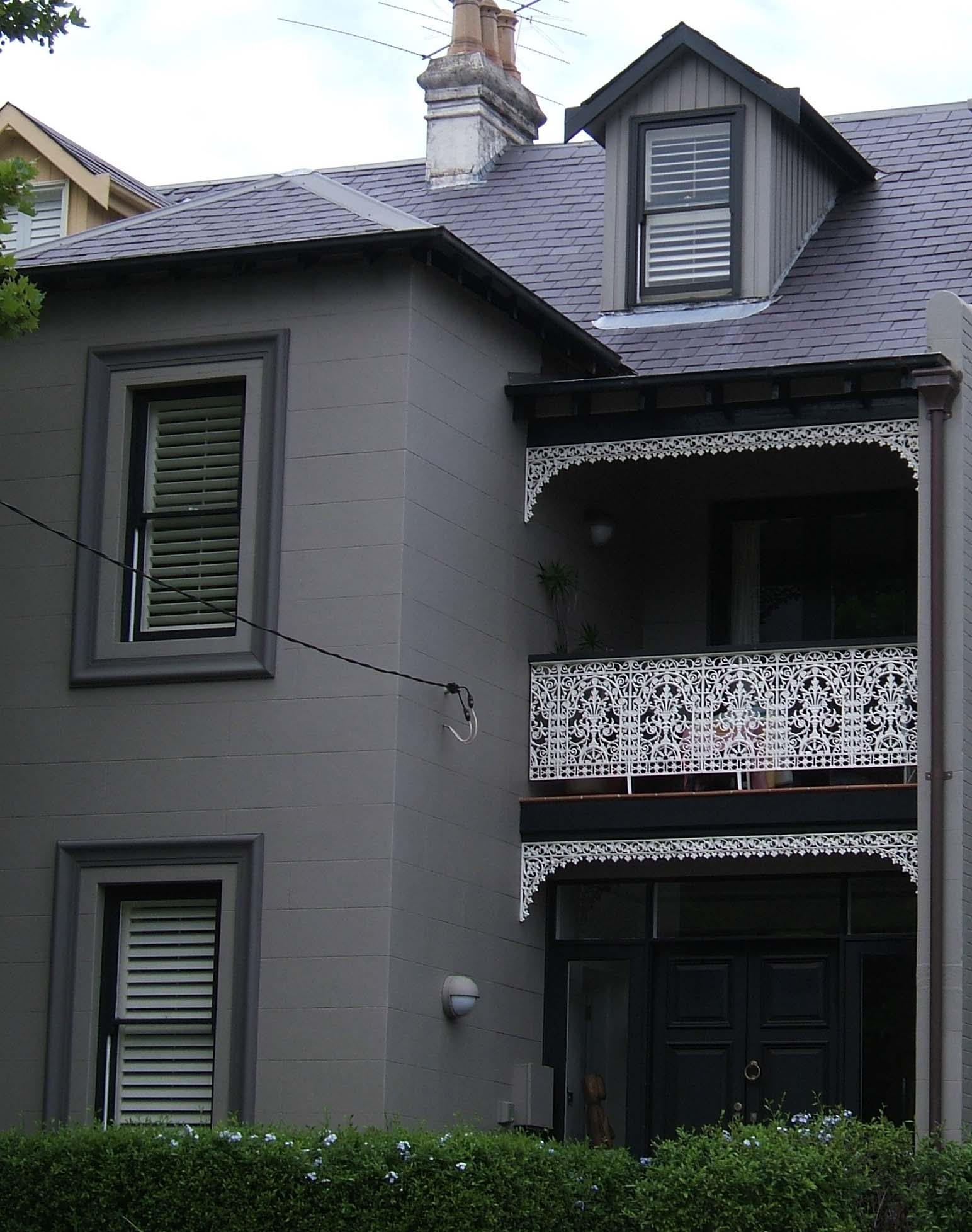
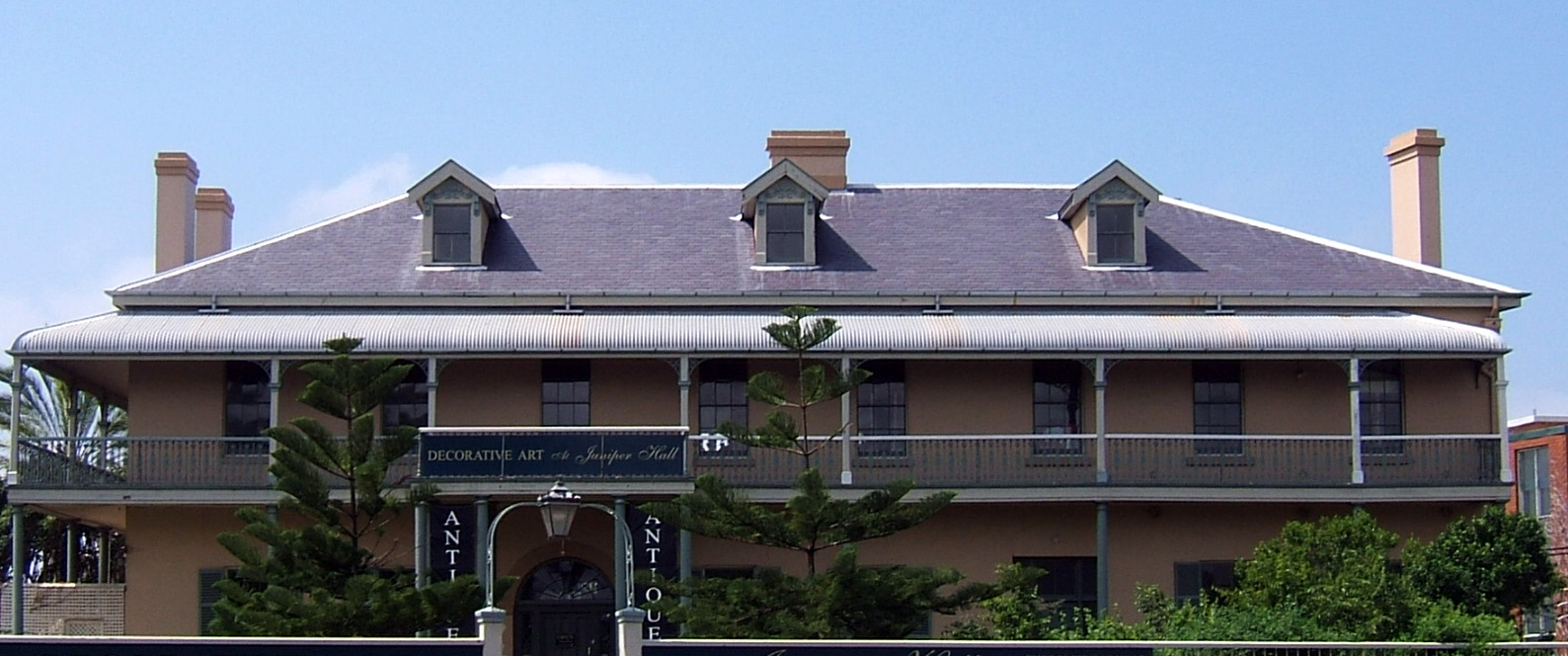
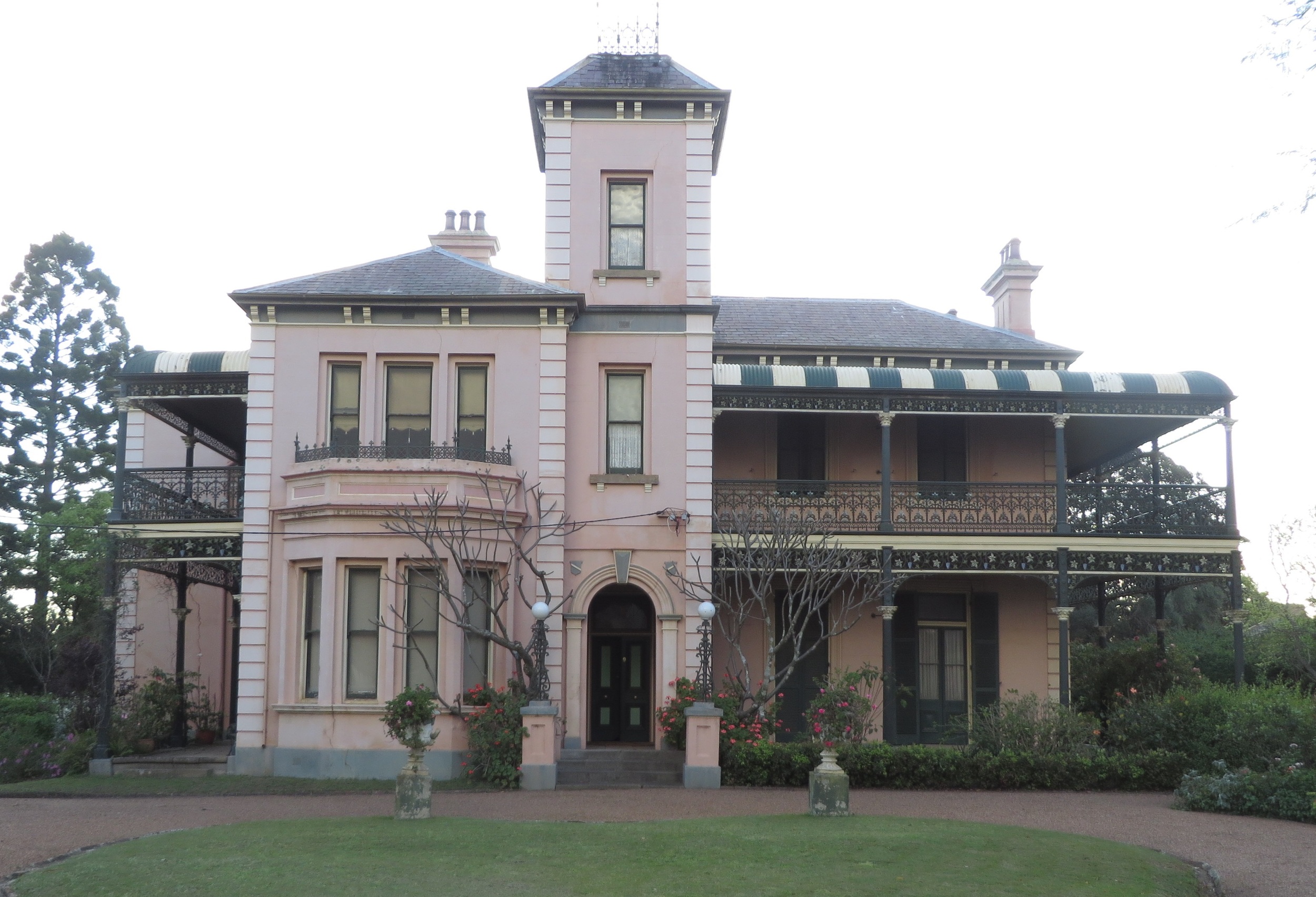
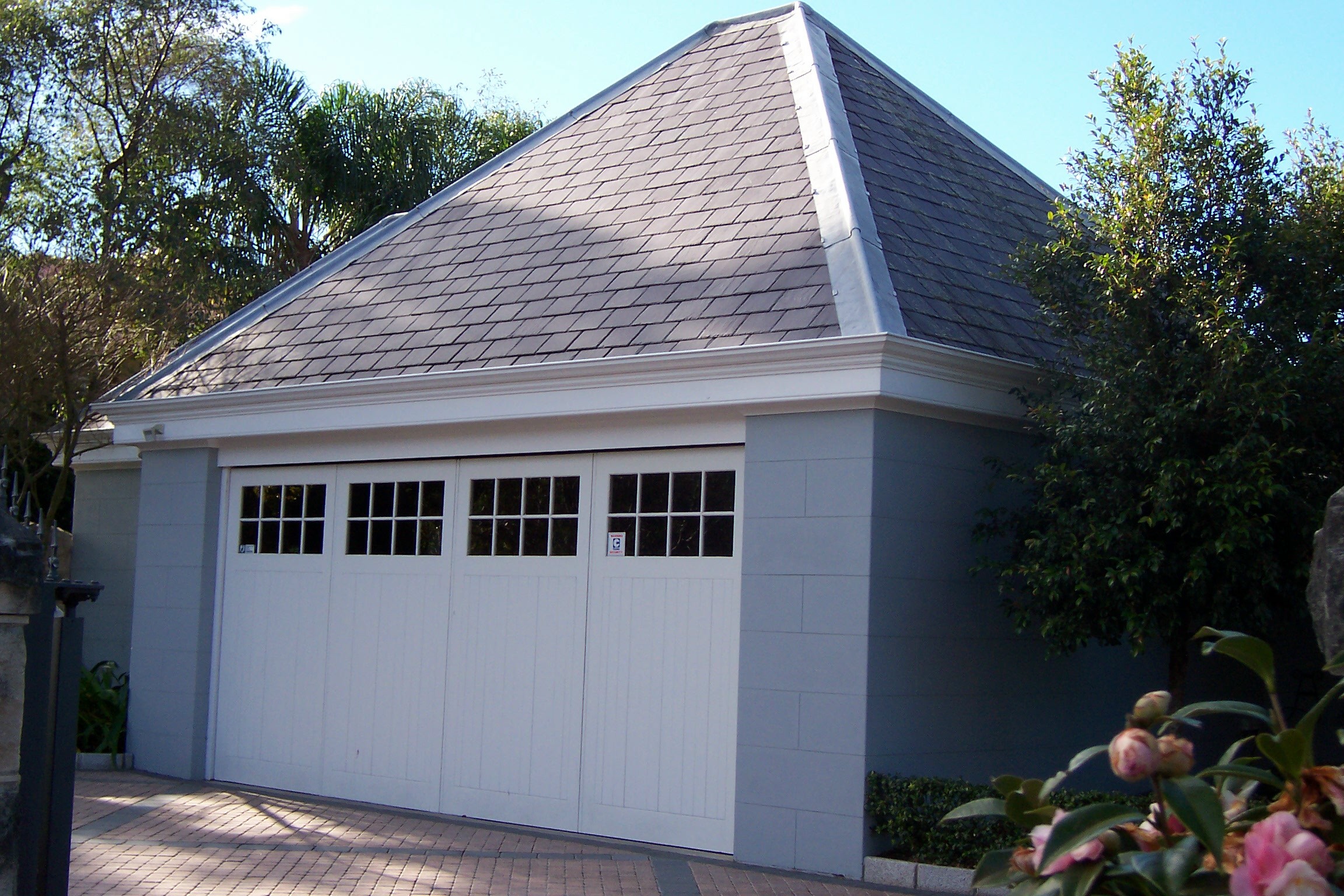
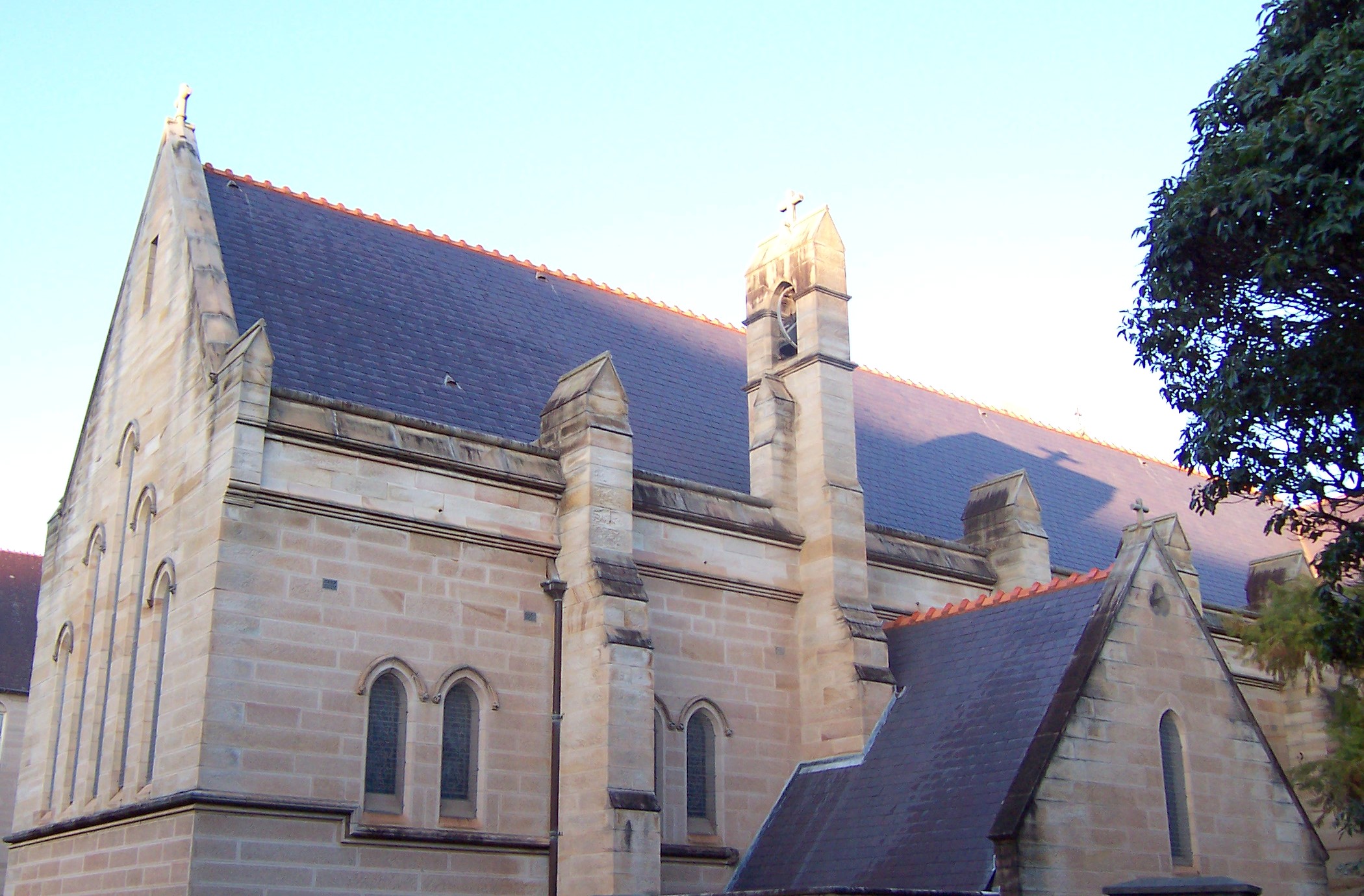
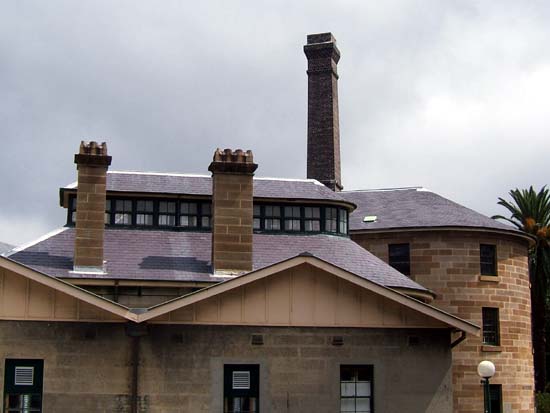
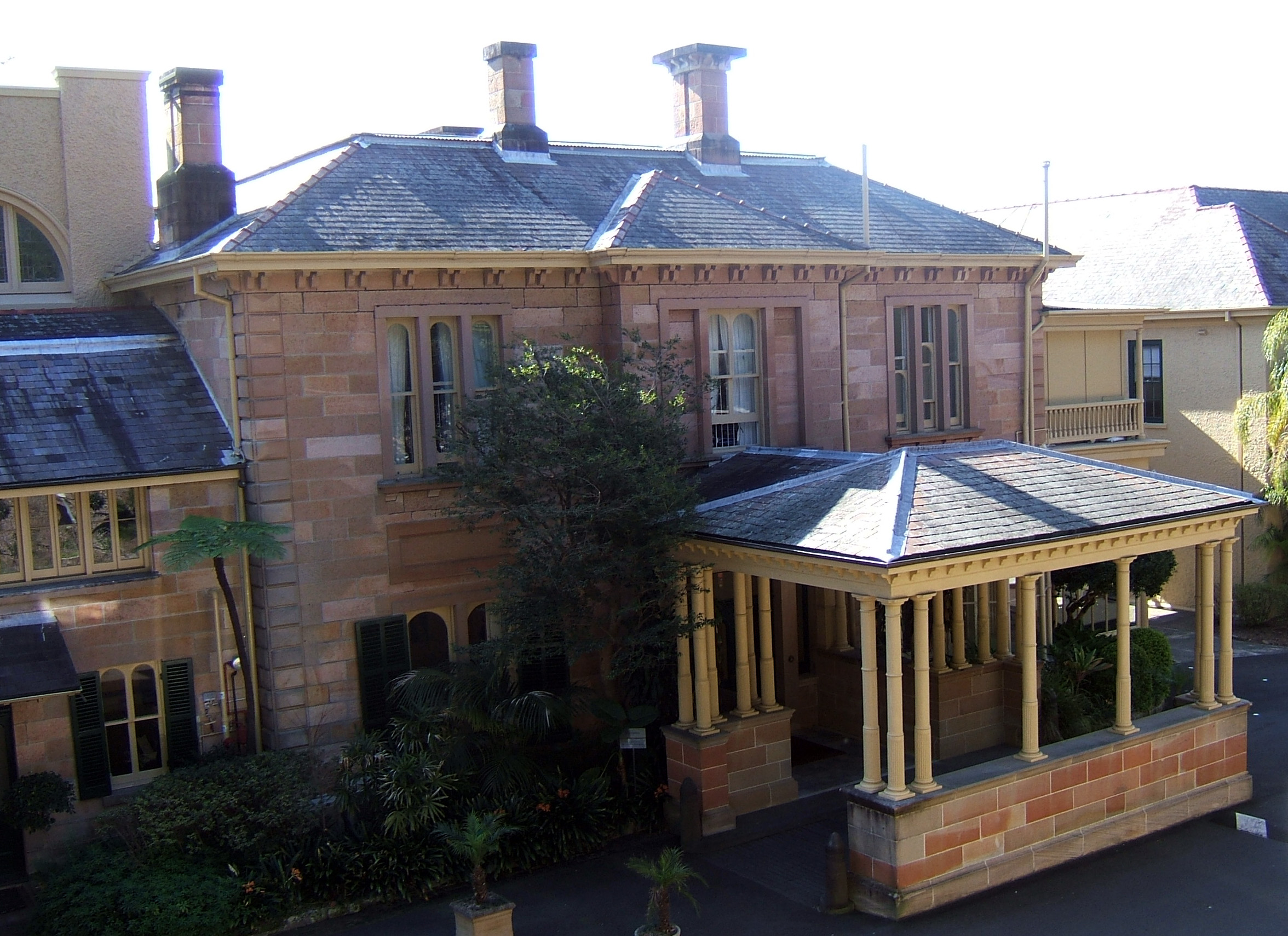
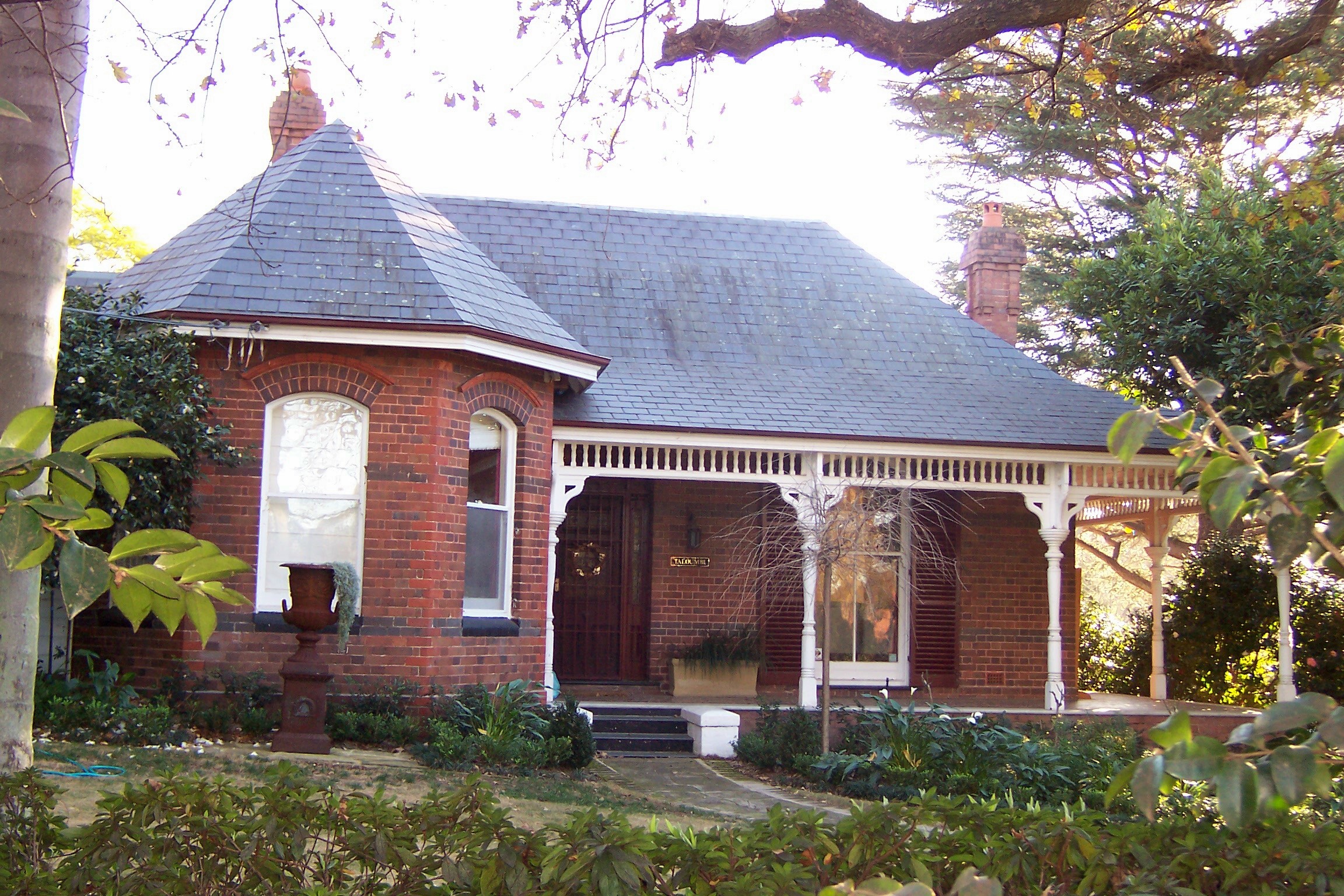
The images above are of some lovely old Sydney homes - wonderful architecture using enduring building materials. |
||
Slate Roofs Didn't Leak - Bark Did!
Welsh slate came to Australian shores in the early 1800s and its link with our heritage is profound. Early dwellings often had bark roofs and sometimes shingles made from red cedar or casuarina - but they were not perfect waterproofing materials. Slate arriving here as ballast was cheap, tough, and remarkably durable – but best of all totally impermeable to water!
Make an enquiry
Slate Durability Impressed the Colony's Governors Slate was the obvio
Slate was the obvious long term roofing solution for the early civic buildings and churches. The original slate on some of these lovely old buildings is still performing well today – a testament to the wisdom of the early governors, architects and builders.
Roof Ventilation - The Key to Slate Longevity
Sometimes hail storms have damaged roofs on heritage buildings so they have been replaced. In other cases, poor ventilation has allowed moisture to build up in the roof cavity making the slates fret and go soft. Sometimes wooden battens and nails have failed so the roofs have been stripped and new slates have been used instead of replacing the originals.
Make an enquirySlate Roofs - A Collection of Images of Wonderful Heritage Buildings
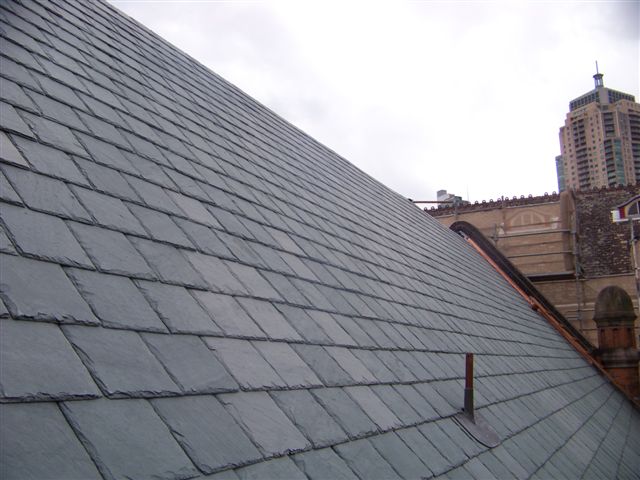
This section presents a selection of new and original slate on the roofs of some of the finest heritage buildings in Australia.
Juniper Hall, Paddington- Welsh Slate Roof
Juniper Hall (pictured below) was built by a gin distiller named Robert Cooper in 1824. The oldest standing home in Paddington, it was named Juniper Hall after the juniper berries that are used to make the beverage of the same name. Later the house was used as an orphanage before being renovated and opened as a museum in 1980.
In 1984 the community was up in arms over plans to redevelop Juniper Hall as a shopping arcade, and in March of that year the National Trust announced that it would purchase the property. The building is the oldest home in Paddington and a fine example of colonial Georgian architecture and features new Penrhyn slate on its roof.

Customs House, Newcastle - New Welsh Slate
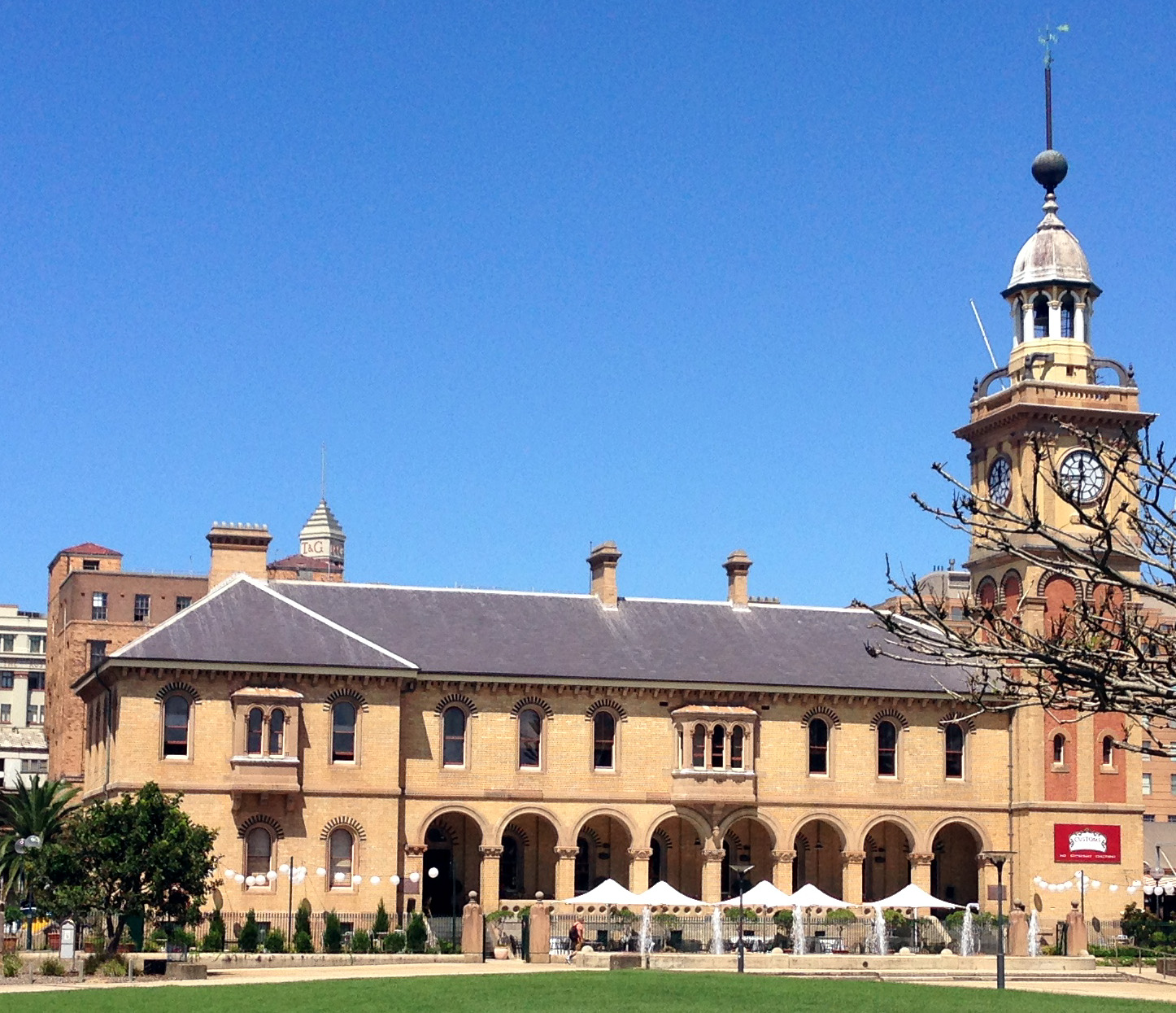
Customs House was built in 1876 on the former convict stockade and designed by architect James Barnet. It has been recently re-roofed in new Welsh slate.

Woollahra Council Chambers - Welsh Slate
"Redleaf" the unique historical building c1863 that forms the central hub of the Woollahra Council Chambers was recently re-roofed with Welsh Penrhyn slate to replace the original slate that after nearly 150 years, had started to deteriorate. The recent restoration to the council chambers with its extensive harbour views, won an Architecture Australia Award in 2002 for conservation.

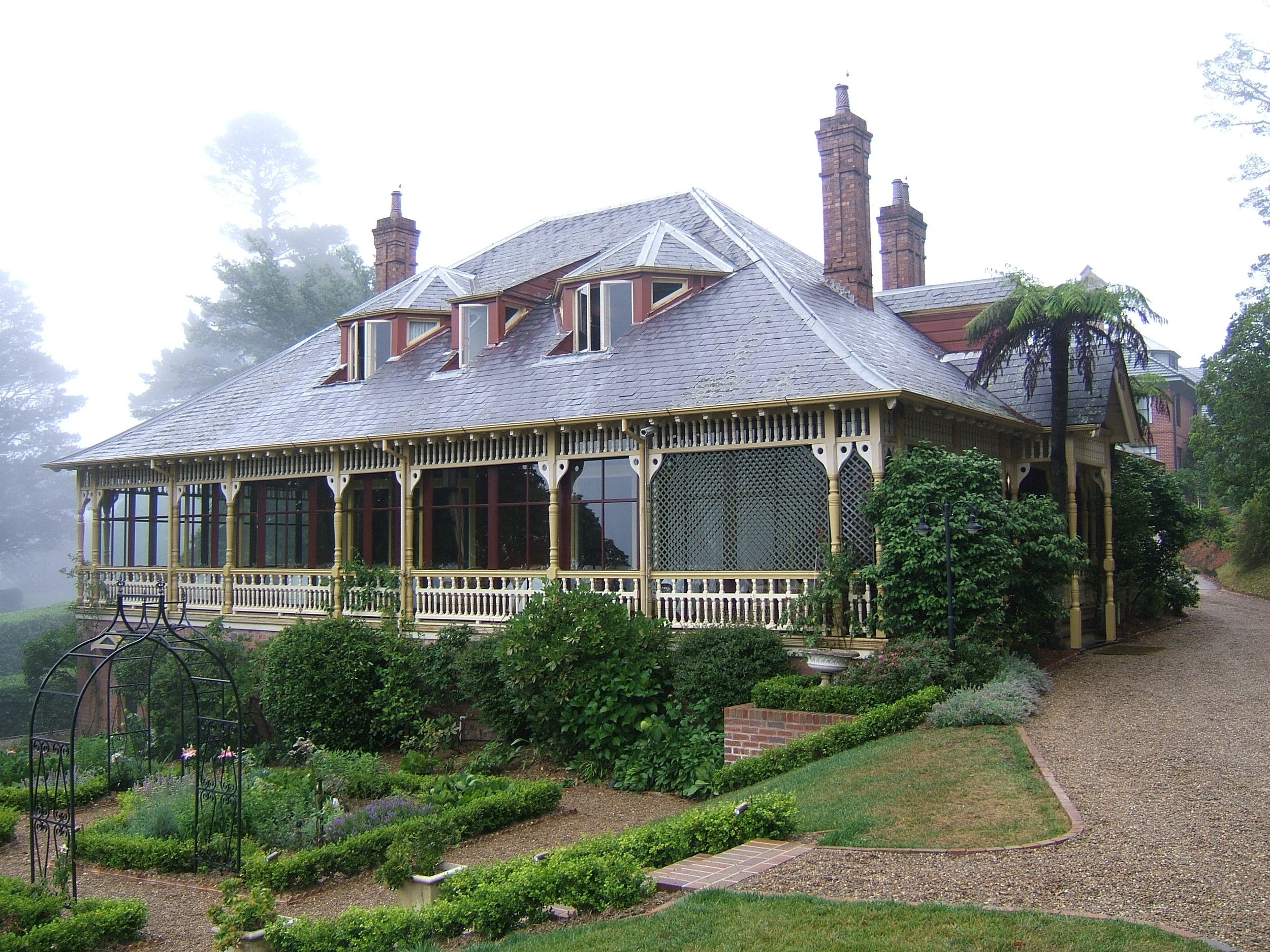
Lilianfels, Katoomba - Original Welsh Slate
Lilianfels homestead at Echo Point, Katoomba was built in 1889 as a weekend retreat by NSW Governor, Frederick Darley. It is now used as "Darley's" Restaurant at the internationally renowned Lilianfels Hotel.
The stunning roof is made from Welsh Penrhyn slate. Clean mountain air, good roof ventilation and copper nails to fasten the slate are factors that contribute to roof longevity; a life span of 200 years is quite achievable.

Victoria Barracks, Paddington, Sydney - Welsh Slate & Sandstone
Victoria Barracks was designed by George Barney and built by convicts using Hawkesbury sandstone in 1841 and completed in 1848. The long barracks block is 225m long and was built to accommodate 800 men. The original Welsh slate roof had repelled storms for over 150 years but couldn't handle the size of the hail and the viciousness of the storm that wreaked havoc in Sydney in 2000. The slate on the roof was replaced with new Penrhyn slates the following year.

Watchtower, Darlinghurst Gaol - Welsh Slate & Sydney Sandstone
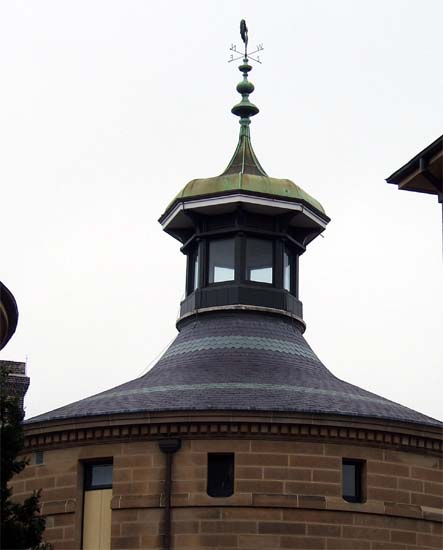
This ornate watchtower with new Welsh slate on the roof was part of the Darlinghurst Gaol was built in the 1820's. The intricate slate work uses green and heather blue slates sourced from quarries in north Wales.
Designed by Francis Greenaway, the tall, circular watchtower stands in the middle of the site, around which are sited the six rectangular cellblocks in a radial fashion. The site was used as a prison until 1912, when Long Bay Gaol opened. During the time it functioned as a prison, 79 prisoners were executed mostly by hanging. Famous inmates included Captain Moonlight, Jimmy Governor and poet, Henry Lawson.
The building is no longer used as a gaol; it is now being used by the National Arts School.

National Arts Centre, Darlinghurst - Welsh Slate & Sandstone
Welsh slate and sandstone were a feature on the beautiful, but disparate collection of buildings on this site were designed by ex convict, Francis Greenaway for what was originally the Darlinghurst Gaol. Construction on the gaol wall began in 1822, with completion of some of the cell blocks in 1840. The main material used for construction was Sydney sandstone, cut into large blocks by convicts. Convict markings on the blocks are visible along the upper half of the wall on Darlinghurst Road.
The site was used as a prison until 1912, when Long Bay Gaol opened for business. During the time it functioned as a prison, 79 prisoners were executed mostly by hanging. Famous inmates included Captain Moonlight and Jimmy Governor – both of whom were hanged on site. Henry Lawson also spent time in the prison for drunkenness and failure to pay alimony; he referred to it as "Starvinghurst Prison".

Sandstone & Welsh Slate - The Old Stables, The Kings School, Parramatta
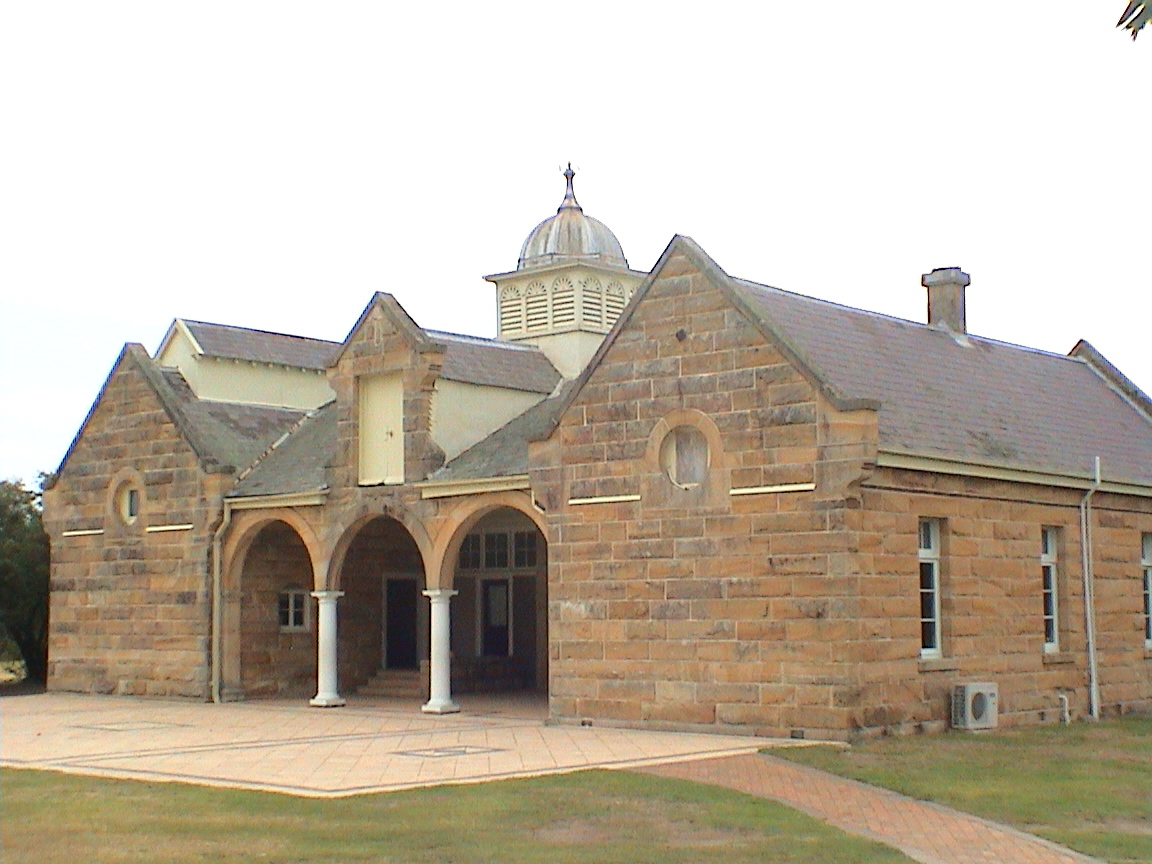
The old sandstone stables (circa 1890) at The Kings School, Parramatta, now used as classrooms has original welsh slates on the roof.

Christ Church Saint Laurence - Welsh Slate & Sandstone
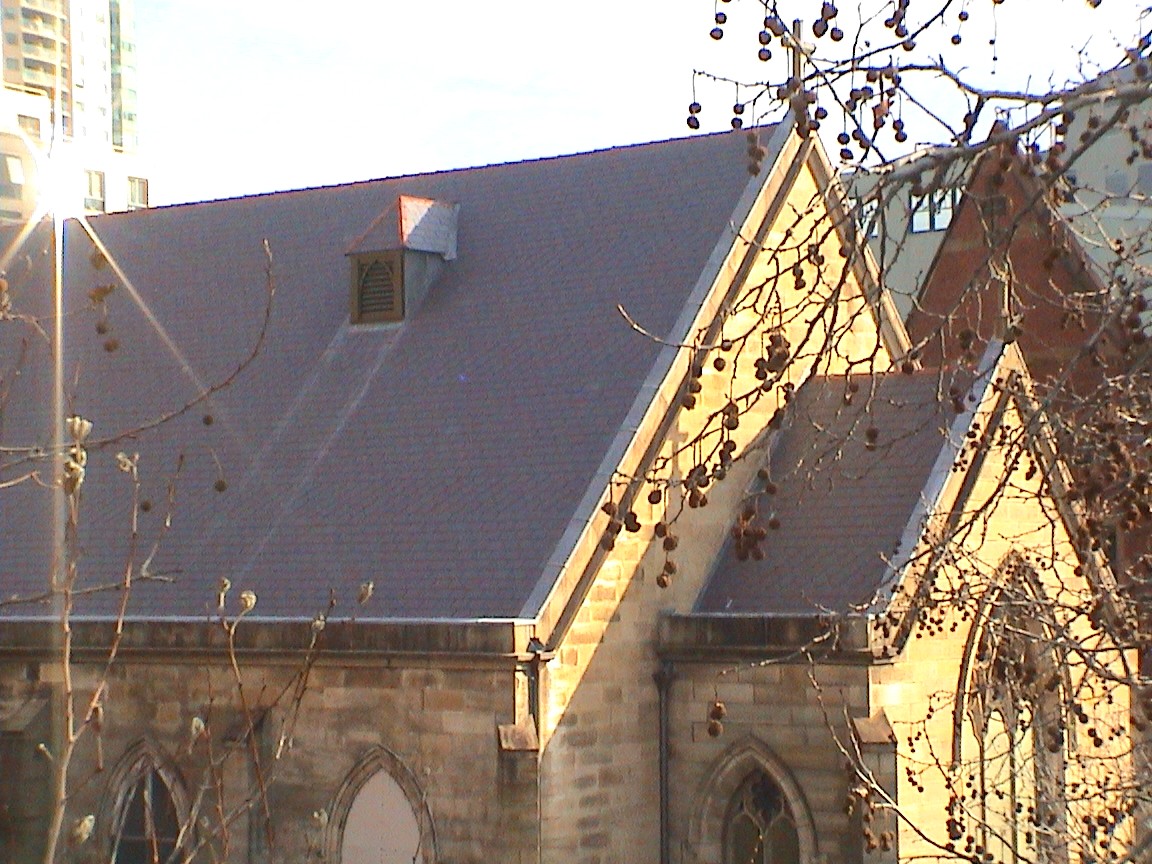
This beautiful church with its new Welsh Penrhyn slate roof and sandstone block walls lays quaintly nestled amidst some "tall timber" in Railway Square in the heart of Sydney's CBD.
This sandstone and slate church was originally designed by Henry Robertson but the building was finished by Edmund Blacket. The foundation stone was laid in 1840 and construction completed in 1845. The original slates lasted nearly 160 years!
The white stains running down the roof under the dormer window may have been prevented by treating the lead flashing with patination oil - an explanation of which appears in the Roofing Slate Users Guide.

Paddington Town Hall - New Welsh Slate Roof
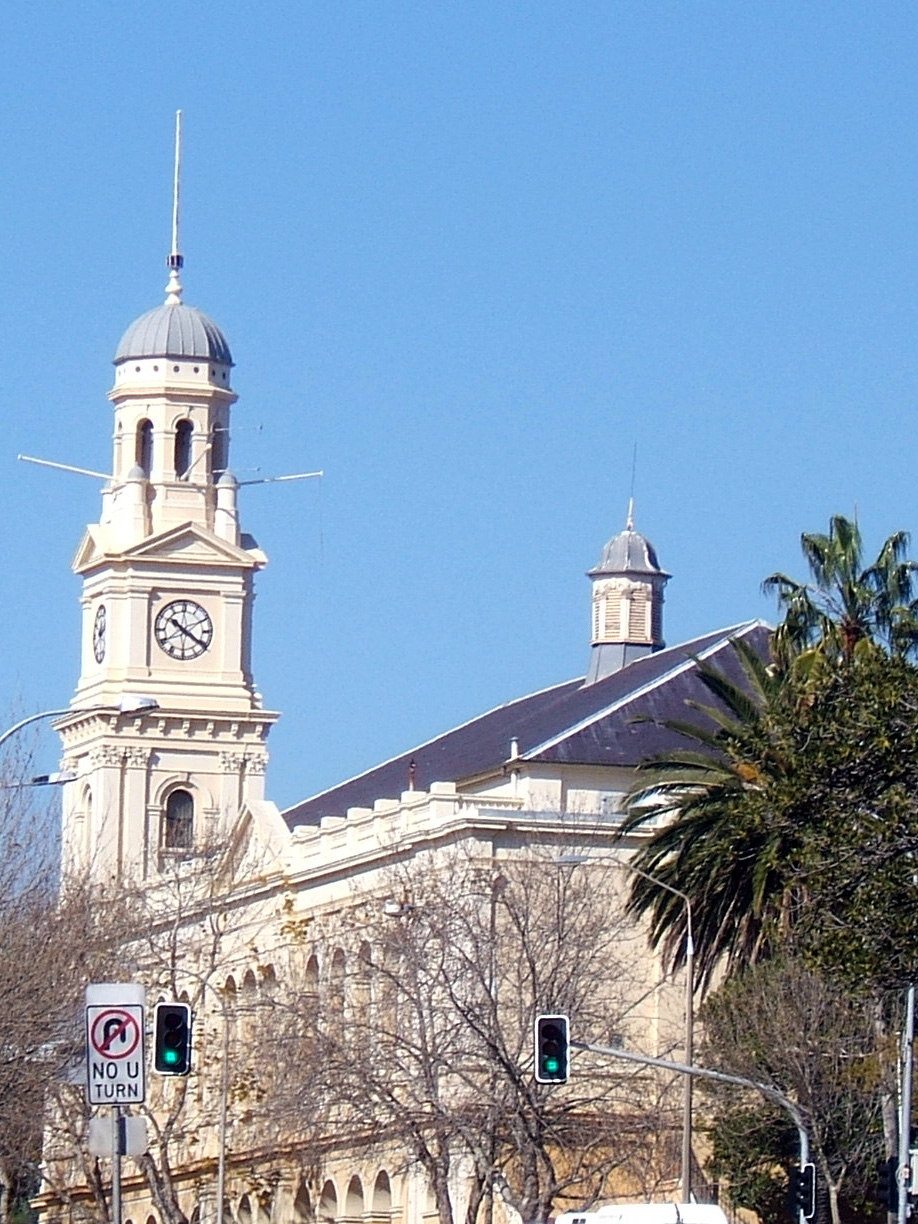
Paddington Town Hall with its Welsh slate roof was built in the late 1800s at a cost of £15,000. It opened in 1891 and still stands as a hugely impressive example of European architecture in Sydney. The building sits on the highest point on Oxford Street and has an impressive clocktower that stands 32 metres high.
The white stains below the ridge are caused by oxidation of the lead ridge capping - a problem that may be prevented by applying patination oil to the lead before installation. For more information on this go to Users Guide Roofing Slate

Welsh Slate - Prince Henry Hospital, Little Bay
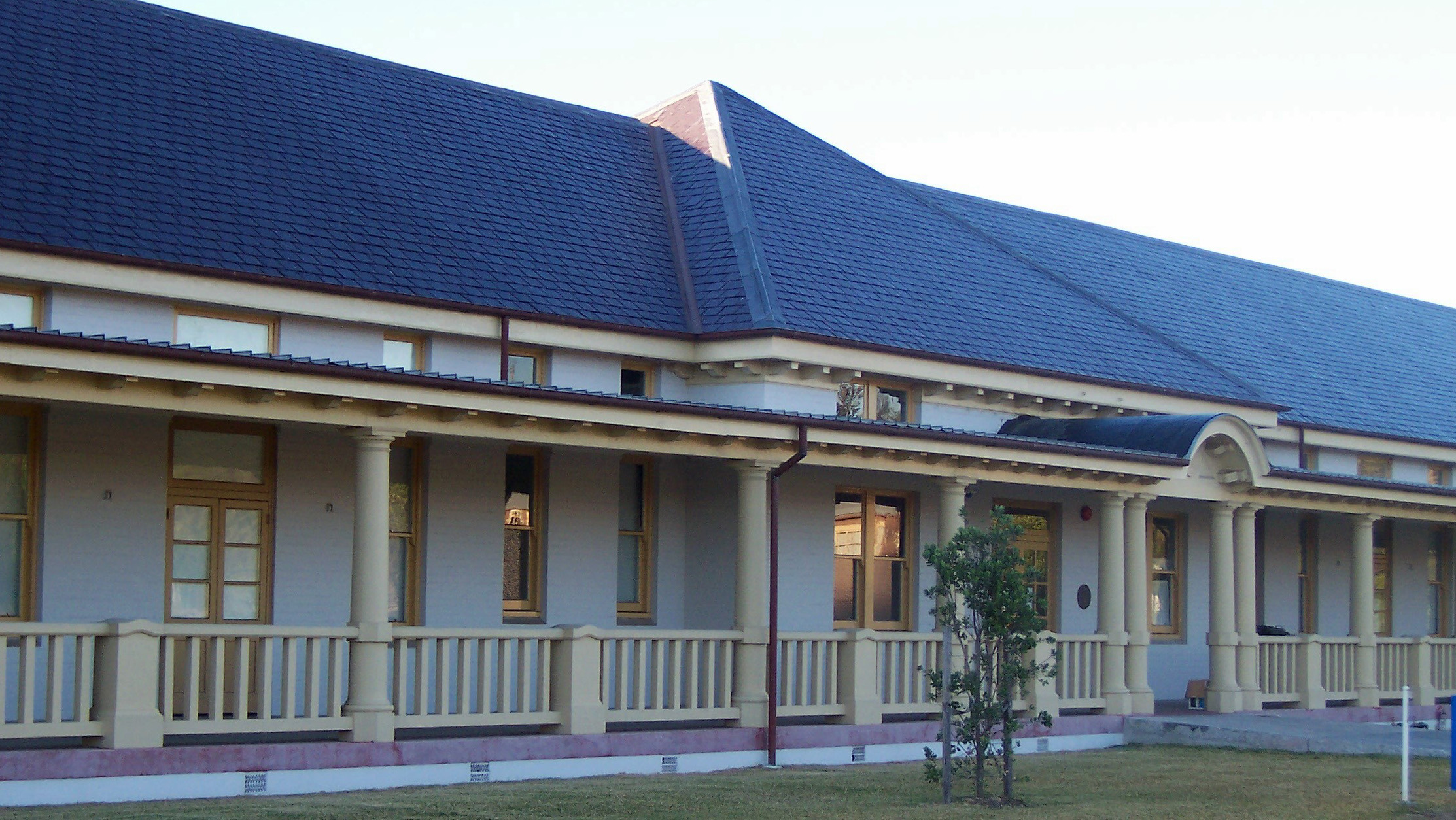
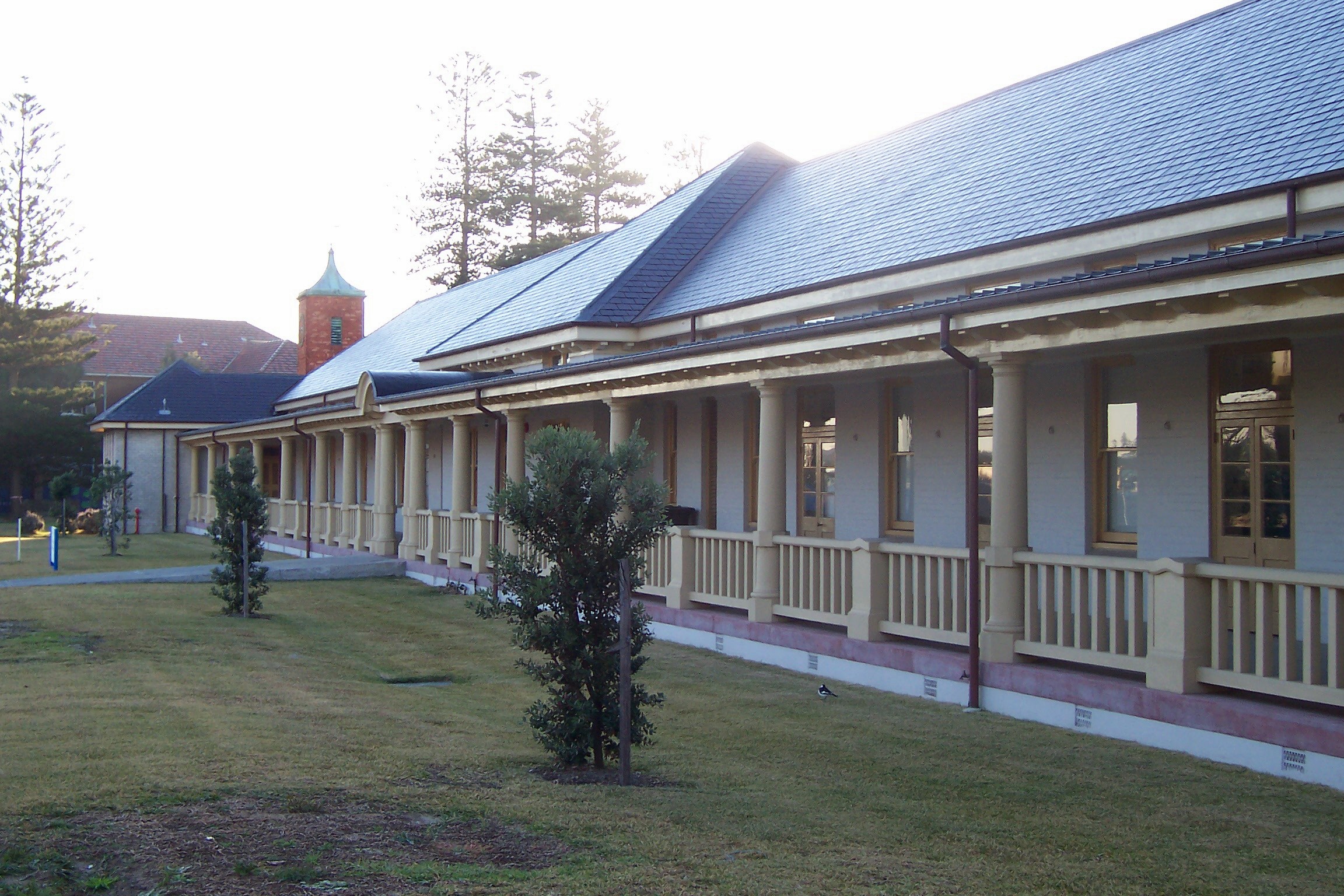
The Coast Hospital featuring its welsh slate roof commenced operations in 1881 and was renamed Prince Henry in 1934. The photo shows one of the old wards. In 1998 it was dedicated as a Centre of Excellence for Aged Care and Rehabilitation and the former hospital buildings underwent a program of restoration involving re-roofing all the buildings with new Penrhyn slate.
The re-roofing program commenced in 2004; many of the slates on the southern side of the original building were in good condition despite their age. However, trapped moisture under the northern side of the roof caused battens to rot and the slate to decay on the underside. It is evidence that good ventilation is vital to achieve slate longevity.

Welsh Slate & Sydney Sandstone - The Quadrangle at the University of Sydney
The use of sandstone, copper and slate blend harmoniously with the grassed forecourt in the main quadrangle of the University of Sydney completed by architect Professor Leslie Wilkinson in the early 1930s.
The slate roof on the right has been replaced; the roof on the left is old and patched. The University has an enormous challenge with its restoration work; each year a budget is set for re-roofing many of the old slate roofs on University buildings.
The challenge to maintain the sandstone and slate roofing at the University is enormous and work in progress. Each year restoration work is carried out but I am sure the University's architect would like a much bigger budget!

St Paul's College, University of Sydney - Original Slate & Sandstone
The beautiful sandstone and slate residential block was completed in the 1860s under the watchful eye of architect, Edmund Blacket. The current roof features the original Welsh slate with the exception of some of the repairs that have been made with Welsh slates of a different age and colour. The roof on this building is scheduled to re-slated in the next few years.

New Welsh Slate - Manor House, Randwick
A beautiful manor house in Randwick, Sydney with new Welsh slate on the roof. The blue/purple colour is characteristic of new Welsh Penrhyn slate. Lead is the most commonly used material for ridge capping on slate roofs.

St Patricks Cathederal, Parramatta
New Welsh slate was fixed to the roof after a fire destroyed the old roof in the late 1990s.